

 RSS Feed

 Apple Podcasts

 Spotify

 YouTube
#156: Derek Gwaltney — From Lottery Marketing to Luxury Brand Experiences | Building Atlas Experiences & the Power of Emotional Branding
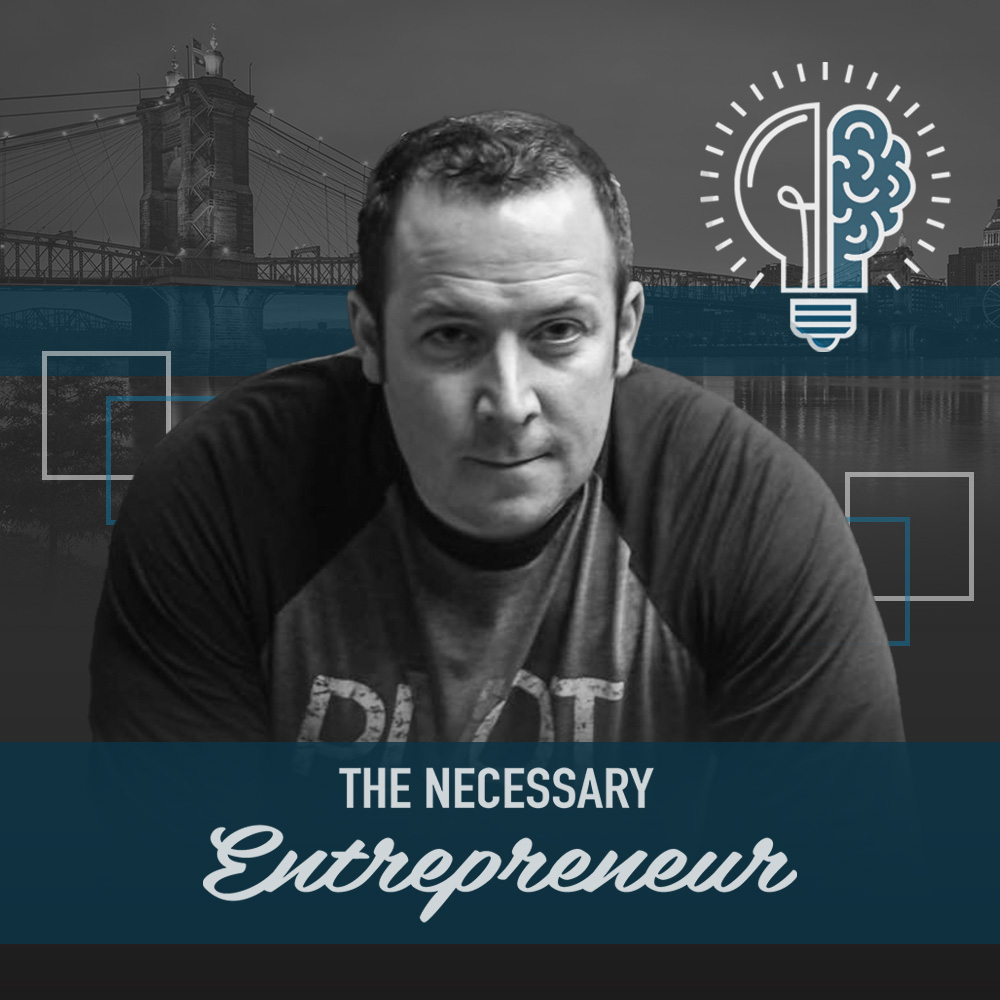
From Lotteries to Luxury Experiences: How Derek Gwaltney Built Atlas Experiences into a Top-Tier Brand Experience Company 🎯
In this episode of The Necessary Entrepreneur, host Mark Perkins sits down with Derek Gwaltney, founder and CEO of Atlas Experiences, to explore the art of creating unforgettable brand moments that spark emotion, connection, and loyalty.
Derek shares his remarkable journey from the lottery and gaming industry to leading one of the fastest-growing experiential marketing companies in America, earning a spot on the Inc. 5000 list (#33 overall). Today, Atlas Experiences is known for producing world-class destination events, incentive trips, and brand activations that blend entertainment with purpose.
In this powerful conversation, Derek and Mark dive into:
🔥 How to design once-in-a-lifetime experiences that elevate brands
💡 Lessons from the lottery world that shaped Atlas’ creative strategy
🚀 Building a resilient business through major industry disruption (COVID & beyond)
🎯 Why human emotion is the most valuable currency in marketing
💼 What it takes to scale a service-based company with authenticity and vision
Derek also opens up about leadership, creative risk-taking, and what it means to “be first” in an industry that’s constantly evolving.
Whether you’re a founder, marketer, or brand strategist, this episode will challenge how you think about connection, creativity, and the power of unforgettable brand experiences.
🎙️ The Necessary Entrepreneur, hosted by Mark Perkins, features authentic conversations with founders and leaders who’ve built businesses worth studying.
📌 Connect With Us:
Website: https://www.thenecessaryentrepreneur.com/
YouTube: https://www.youtube.com/@thenecessaryentrepreneur
Instagram: https://www.instagram.com/thenecessaryentrepreneur/
Facebook: https://www.facebook.com/TheNecessaryEntrepreneurPod
X (Formerly Twitter): https://twitter.com/MPerkinsTNE
LinkedIn: https://www.linkedin.com/company/tnepod/
TikTok: https://www.tiktok.com/@tneclips
Spotify: https://open.spotify.com/show/6xhGUE1yzy2N0AemUOlJPx?si=d1c5c316af404f15
Apple Podcasts: https://podcasts.apple.com/no/podcast/the-necessary-entrepreneur/id1547181167
https://www.linkedin.com/in/derekgwaltney/
0:00 I love to be first. I love to come up with a big strategy that could be something that is different and kind of shakes the industry and go, hmm, that seems cool. Hey you all, welcome back to The Necessary Entrepreneur. Today we've got Derek Waltney. He's the founder and CEO of Atlas Experiences. What a name. It's gonna be a great conversation. um Atlas Experiences is a company that's all about creating those unforgettable once in a lifetime moments.
0:45 Derek started out in the lottery and gaming world, and now he's turned that experience into building some of the most unique brand experiences out there that we've seen. From destination events to full blown game show promotions, Atlas has become known for bringing energy, creativity and emotion to everything they do. Derek, it's awesome to meet you, man, and have you here. So welcome to the necessary answer. Pleasure to be here. Excited to talk about the journey and dive into it a little bit. Well, let's talk about the journey with that type of intro. We're like, this guy's awesome and special. tell us, tell us how awesome and special the journey and what you guys are building. Cause you said just came back from the Inc 5,000. You got the 33rd spot. You didn't know what that was. And now you learn. So this journey from 2019, a little bit of a bump.
1:28 We know what happened in 20, but then the trajectory has spiked up. So tell us about what the heck's going on and what you guys are doing. No, definitely. think it's a pleasure to be here. know, um, you know, thinking about where we started and what the vision was. And I wanted to create memorable moments for lottery winners. That's kind of where it started, right? Experiences is has that emotional connection. When you take people out of their day to day lives and you put them somewhere unique, different five star, that's when the memories and that connection starts. Right. But I wanted to up it. I wanted to take that up to one next level because you're a lottery winner. You want to win. And so we added our game show into these promotions where we are giving away millions of dollars around the world during our experiences.
2:12 We're having this great experience. Then you're like, Hey, I'm in this awesome castle, but on the last night, I have a shot to win a million dollars and change someone's life. So it's been a great journey. Um, you know, what we've seen and been able to do and continue to do has been remarkable. You know, as a small company, uh, I started the company, uh, myself, bootstrapped the company. and just rolled up my sleeves and just went out and had a vision of what I wanted to do and just kept grinding and kept moving forward and never stopped. So coming from the lottery business, you're the first on the podcast and probably the first person I've ever had a conversation with that came from the lottery business. So I'm assuming we all know what buying a lottery ticket is. We don't know the business.
2:53 And so where did this idea come from? It came from you working in the business, but how did this evolve that this came to your mind to do this? So I've been in the lottery space for 30 years and, uh, you know, worked with a company that we were creating some experiential programs, uh, for big brands like Powerball and created these experiences and these trips where there were these winning moments. And I just love being immersed with it because when you can create something and then actually see the fruit of your labor actually unveiled in front of you and then create winning moments, we were giving away $4,000 every hour on a cruise ship. And every hour that became a moment and those moments I love to do it. wanted to do more with it, but I love to travel.
3:35 You know, I think being able to take people out of their day to day lives and giving them something that they can experience, forget the day to day they left behind, see what's in front of them and experience that moment. That's what I wanted to continue to build on. But in lotteries, well, you know, everyone, you know, there's more, you know, people that don't have the luck of winning, but Having that chance, a second chance to enter that in, there's a mechanism in a lottery to lottery, around the world actually, where you have a losing ticket and you can enter that in for another chance to win. But to win an experience and to win cash prizes during that experience is where we really started to leverage and build on. What, um, what inside of you, you're the person that knows your journey, right?
4:22 We don't have six hours to talk about the Derek journey because I'm bad. It's a hell of a life journey, but what inside of you had the feeling of wanting to be involved in these special things? Like what is it? What's the driver of that? It's the ability to create. I love to create something and build something that people can react to. know, when you have something that, that people like and people want to engage with you, they want to buy your products, right? Creating these programs, we kind of build them up. We, we make them unique. We create the themes, we create the promotional packages. We are truly turnkey, but we know how that creation can come to life.
5:03 And then bringing that to the lottery organizations where they can actually bring it to their consumers and get them excited about what that brand is. And again, that brand loyalty, right? You're doing something that I'm interested in. You have a product out there and I'm buying this ticket, but guess what? I still have a chance to win. That's really what it's about. Do you guys run these on your own or do you work with all the existing lottery organizations? Correct, all the lottery organizations. So the lotteries will find the promotional package and how they put it into their plan per year. uh We've done stuff in Ireland, Sedona, we've done stuff in Martha's Vineyard, uh Nashville, we had a huge program with Luke Holmes, which was awesome.
5:44 Luke and I gave away a half a million dollars on stage at the Ryman at a private show. So they take those promotional packages and see what interests them, what they think will motivate their consumers to have more engagement with their products. That's kind what we created. Is there anybody else in your space? Like in your mind, do you have people that are trying to do the same thing? There are a few. There are a few. I would say we're very focused on the specific on experiences. We're not into the larger gaming companies. We're not trying to do technology or hardware or software. We're really focused on that promotional element, the experiential piece. And then our game show, we've done dozens of these now.
6:26 I've given away almost $6 million in cash prizes in a fully produced live game show during our events. So is that, the next question was gonna be through the conversation, then what makes you guys different? Right. we're game. Yeah. Our game show definitely is a unique contributor to that. That was part of the vision when I wanted to start the company is how can I take those winning moments? Those moments that are impactful and meaningful, changing someone's life with a million dollar prize. It's there's nothing like it. I mean, I've done it twice so far and you know, there's been a series of other big prizes like half a million dollar prizes with Martina McBride and Luke Holmes. And those moments, I just immersed myself. I love seeing the people.
7:06 their reaction, their engagement, you know, those are the things that really matter. oh What do you think, um, when Derek retires? What's the journey from here to there going to look like professionally before that happens? Well, we're going to continue evolve. We we've taken our game show and we know it's crazy how you've started product ties and you start with experiences. Then you add the game show. Uh, we now have just launched into live sports game shows. So I did a live game show with the Milwaukee bucks in front of 17,000. And it was the coolest thing. You know, you have three people that have a chance to play. They're excited. Who doesn't want to play a game show? Who doesn't want to have a chance to make your own decision, to choose your own fate.
7:50 And it's such a cool moment. But in front of 72,000 in the Jumbo-Tron, that was a pivotal moment for us. So we're getting into live sports activations and sponsorships. We're now also, we just took our game show on the road. So we're doing Atlas activations in the field. And so actually going to retailers, we gave away $10,000 in free groceries at eight retailers, eight different days across the state of Arizona. Now that was interesting because, know, the emotion people have, you know, woman that tell the story all the time because the woman was walking by with the three kids who's kind of that onlooker like what's going on that seems really interesting because this is all live we're giving away actual prizes real time and she bought a ticket she came up she won five hundred dollars in free groceries and had an emotional experience right in front of me and that's why we do what we do because it matters it really does matter what we're doing in it because it's an impact So good.
8:44 So when you started this in 2019, so talking about the entrepreneurial piece of this, you know, COVID happened. I don't know. I think we're probably going to look, if we get to live full lives, like me and you and the millions of other entrepreneurs, we're going to look back on this and be talking about this in 30 years. And for people that didn't go through it, what are you talking about? Maybe it was a cold, maybe it was something, but it was a significant shock to every way that our country and world operated. So Yeah. So you started your business and just a few short months later, COVID happened. What happened in your mind, how you handled it and decisions you had to make what happened during that period. Because in the reason why I ask it is for you and me and all the other entrepreneurs and in our audience, what I know is something else is always going to happen.
9:30 No, definitely. Well, I think it's that grit, It's that continuing to grind through it. You you get hit, you you take a hit for a minute, you kind of get knocked down, you then stand back up. For me, I had a runway. I had a plan of where I wanted to go. Luckily, it fit within that so I could start to get on the other side of it. It took from probably March to about July for me to see, okay, what's around me? What did I already establish? So did my plan and my sales when I launched the company within those first six months. Did I actually make traction? And that's what I found out is that I did. And uh the Texas lottery came back to us and said, Hey, we want to do that Hawaii dream getaway with you for, you know, six nights, a thousand people, private concert with Darius Rucker over the golf course, helicopters, luau's, you name it.
10:19 And it was like a moment of like, wow, okay. What I actually had in place made sense. My strategy was working. And now let's lean into it and keep going and keep building. And so that's what we've been doing since really late 2020. did show the Texas lottery worked with you for the strip. were a thousand people that at the same time were sent to Hawaii. Yep, to date was one of our first and our biggest events that we've done. Thousand people to get to Hawaii logistics. That's what we do. That's what we make it happen. But then on top of it, to do a private concert, build out the entire stage, sound, lighting. You know, we had some great partners that allowed us to do that.
11:02 The other part is we had some great runway. So the event we signed in 2020, the event wasn't until 2022. So the good part about that is we had enough runway that we could get past some of the residual effects of the pandemic and get people more comfortable with um traveling again. And ironically, after the pandemic, experiences became even more and more popular because people wanted to get back out and have those moments that they probably didn't realize were that impactful to them. Yeah. What, um, what'd you learn in those two years to try to coordinate in the logistics for a thousand people? What did you learn? Maybe one or two significant things. Maybe not. Maybe you knew it that you're like, wow.
11:43 We didn't see this. Well, when we actually got there, you know, m the lines like lines for me, my team knows I'm like, lines. We don't want people waiting. We want them to get out there and experience. so when you start queuing up a thousand people, gets, the queue gets pretty long, you know, so we've learned a lot of, know, you learn a lot along the way you're when you're in it. I try to really step back and see what's happening and see what we're how we're creating that experience for people. I interact with, I I actually ask and encourage people to come up to me and tell me their stories, right? And so what I learned was it is impactful and I don't know what everyone's going through. I don't know what their day to day is.
12:25 And when you take them out of it, the emotional outpour is pretty impressive and it's impactful to me. Once you, cause it seems like you're really coming into creating, thinking up the experiences, right? It's you guys are probably now becoming really good at I hope so. there you go. have the, you know, the growth areas. No one else knows it. Right. Do you think this will stack to become an experienced company, even outside of lottery? That's exactly where we are, Mark. That's exactly the pivot. You know, I started with where I knew in the relationships that I had in the industry, even as you were saying, is very niche. There's not a lot of people that know about it, understand it.
13:05 It's a small marketplace. You've only got one lottery per state, you know, and so you're working with a very small uh ecosystem. And so it's like, okay, where can I take it? We're now just launching what we've done really well with lotteries. And one of our key strategies is multi-state, multi-jurisdiction. So we, with Luke Holmes, we had 19 lotteries from across North America into Canada, where they all participated in one big event, which is magic. It really is. It was lightning in a bottle for us. These 19 lotteries sent 160 winners and their guests to Nashville. And we're taking that group component, pooling more resources where any size company can be part of it.
13:47 So being part of the Inc 5000, you know, we're looking at that group because You know, these are companies that are scaling, right? And they're looking to grow. Well, you need to recruit, retain and reward employees. The same goes for consumers, right? And so now we're starting, like I talked about the Milwaukee Bucks, that wasn't a lottery promotion. That was with the local casino sponsor. That was with the team directly. So there's other ways of rewarding and having these moments, but it's also the differentiator is the winning. When you give somebody a shot, if one of your employees come back and win a million dollars, think about that. return on the investment for the company saying, look at the story. know, employee Tommy, whoever it was, won a million dollars because we were part of this group program in Hawaii.
14:32 We're definitely right now moving into that corporate small business category right now. Makes sense. What for you guys, as I'm sitting here as a business owner um and entrepreneurs, we tend to want to do things ourselves, right? um What makes you good at it and better to partner with you than people doing it on their own? Because I have a lot of partners. mean, I really think we have a lot of shared success when it's producing concerts, getting talent, uh local resources, you know, in Ireland, you know, we don't know every country, you can't have a network. There are some great destination management companies. We worked with Custom Ireland, who their CEO is a good friend of mine.
15:12 You know, they brought their expertise, their knowledge of the local uh country. They brought their knowledge about where's the best venues, where's the best experiences. And so we really find good, partners. Another good partner of ours is the famous group out of LA. They're a huge fan activation company that works with major league sports around the world. But we brought their technology in and made the game show. So we created our Lucky Pick game show and we've been working together and doing these executions around the world now. And so really strong partnerships. Because I didn't, I never wanted to bring everything in house and build it myself. I didn't feel that was something that was sustainable. I didn't feel that was something I could get to market in the time I wanted to.
15:55 And so I looked at that for partnerships. So it sounds like partnerships, build a relationship. So what's your strategy for building relationships? I think it's really that personal connection. You know, if you connect with someone, you know, and I think I'm friends with a lot of these people, I'm friends with a lot of the either the owners or the founders or the CEOs, because we've created this relationship that is mutually beneficial. The more I can do, the more I can contract with you, the better our experiences are, the better our products are, the more we can do collectively. So it is really a success sharing kind of mom. How many hours a week do you work?
16:36 work. I mean, the mind's always going. So I think that's the problem. My team sees me, you know, I go come back from these conferences. I'm always thinking and I really feel that the creative process, you just never know what's going to stick. You just never know what talent or what destination or what unique experience. You know, we have a good partnership with a yacht company called Sea Dream, you know, call their CEO up and I experienced their yacht down in the Caribbean. And was great. And so it's like, I'm calling up and similar to you, what's this lottery and what are you doing? And once you start to kind of break it down a little bit, it's like, that's interesting. That's different.
17:18 Do you think that's what opens people's ears that it's interesting and different that they're like, Right. Where if it was just the same thing, it's like, Hey, come on. What makes you any different? You'd get that question from the beginning. And it's like, before we're different, let me tell you about the space we're in and what we're doing. Yeah, and I think it's taking that space now and bringing it into the corporate world, which is the question I get a lot is what's the game show? Like, what are you really talking about? It is a fully produced light sound. host the game show. I work, interact with the winners. I get their stories and then everybody that's there as a winner will play and win some type of cash prize. So there's no better job than me to give away cash prizes to the guests at our events.
17:59 It's awesome. It's a great way. Seems like Derek was built to be on stage with a mic in hand. I hope so. I hope I do it justice at times, you know, it's but it's a lot of fun. You know, I think um what we can do with it. I think there's even more that we can take that game show and those experiences, uh you know, to other verticals. So you think there's a long, you used runway twice earlier. You think there's a long, long runway in this business and what can be built and where it can go. I think so. do think so. think if we keep being creative, we can keep at looking different ways. Just the fact that we're able to productize two new categories for us with the Atlas activations and the live sports that we're doing. We even did a large sweepstakes this year with Wise Snacks, where we had winners every day for 60 days.
18:46 We're giving away cash prizes. It's that winning moment that we really see as a differentiator. There are a lot of great event companies. There's experiences all over the world. but how you curate them and what we do with them and the fact that it matters to us, we really want those people to be immersed in it, get out of their day-to-day routine and think about something different. When you were working in the lottery systems and for the organizations all those years, were you, was there entrepreneurial aspirations inside welling up all the time? A little bit. Yeah. I think there was one or two concepts that I had over the years where I thought maybe we could go and try to, I could try to start a company. it really came to fruition with me when I was in, my MBA program up at health and international business school up in Boston.
19:32 So I did that for two years and I actually in the middle of it, I kind of used my, my vision for Atlas and I used real time feedback from the actual program. So I was getting actual feedback about different marketing strategies, different go-to-market strategies, different branding strategies, and would use the company as some case studies. So I realized, okay, this is what I like. I want to do more of this and how can I explore it? I love thinking through the business components. Like it's not just about just a creative strategy. Does it make sense? Will it sell? What are the barriers in some of those challenges? So I've always kind of had that. um The creative piece, when you're in a big company, sometimes you really can't take that too far, because you have to kind of stay cookie cutter into what they're looking to do.
20:20 And so I saw that as an opportunity as well. It's awesome to hear somebody articulate going through traditional further education and that actually feeding you like that MBA program. What's funny is it wasn't necessarily what you learned in the MBA program. It was how you utilized it. And maybe you could expand on maybe it was what you learned, but it's like you went in there and took your thing and you learned how to do that thing. Not necessarily what each class was about, right? True. And for me, the classes as well made me think. Made me think from a business perspective. I'm not going to say I'm an expert at any one of the components, but it made me think about the accounting perspective, the finance, the funding components, the strategy of what you need to continue to grow and keep that runway going.
21:09 I would sit there and think. That's to me is what, for me, if it can challenge me intellectually and like, well, can I do that? Does that really make sense? Is that something I could do differently? I love to be first. oh My team knows this all too well. I love to come up with a big strategy that could be something that is different and kind of shakes the industry and go, hmm, that seems cool. Or if it doesn't work, it doesn't work. Then we pivot and go somewhere else. That's dangerous, being first is dangerous. It is, it is. It's a double edged sword for sure. We've had good success with it. Just with the Atlas activations and what we did, it was a lot of work. We did eight days, eight retailers, $80,000 in prizes, but I was doing two game shows a day for almost four hours straight.
21:59 That was first. I took on that hit and I do have a great team that follows me on some of these. They know what we're looking to do. They get behind it and they actually empower me to kind of get plowed through it as well. Do you have a budget that you have to stay within on each one of these projects? Yes. That has to be tough because you're building it. You reverse engineer. You think you know what it is, but there's always contingencies. There's always, do you have a contingency percentage in the agreements with these people or no? We build it in ourselves. we look at, know, our budgeting is, you know, we use a lot of past experience. We leverage those partners we talked about to get really clarity on where we think we need to hit.
22:41 And there's always, there's always a contingent budget. You know, we've had people that were supposed to be on a private jet that we had a pivot immediately because they couldn't get up the stairs and we had to send them first class to Ireland. You know, those are our pivots and things that, and we don't even hesitate. If this is what we need to do, whatever that experience is gonna be best for them. And that's what I challenge my team a lot is just to make sure they're engaging with the people so they can get the feedback. But yeah, the budgeting, they're extensive. You just never know what you don't know, what you're gonna have to add into at the last minute. And I guess that goes a lot with a lot of different events. Yeah. What, um, when you take a big hit, some people say it's not losing, it's learning.
23:24 It's not failure. It's growth, but whatever that is, when the thing doesn't go the way that you intended it to, and it's a really big moment could be a big, but when it doesn't go well, those one or two moments that have been your biggest, you don't have to explain them. Sometimes we don't like revealing the skeletons in the dirt, um, of entrepreneurialism, but what'd you do over the past four to five years? Those one or two, the biggest challenges. that at night when you're like, man, we made it through that. We kept going, what would you do? Cause we all face them and all the people starting these businesses. um What did Derek and what did Atlas experiences do in the one or two most challenging moments you've had? You know, for the most part owned it, you know, really owned what we were working through, what the challenge was, whether it was caused by us or it was some unforeseen challenge that we had, you know, there are a couple of events that we just, know, a you own it afterwards, but you work it while you're in it.
24:16 You don't shut down. You don't run away from it. You just, you have to deal with it. You know, when we had, we had a couple of challenges, you know, here and there as any company does. I remember one specifically, we were at an event and we had some challenges we worked through. And I took the ownership, you know, because these, you know, my team that's sitting in front of me going, wow, what just happened? That was a challenge. And I said, well, I'm going to take the hit on this. You guys are killing it. You guys are working so hard. I know what I need to do better as a leader. And for me to think of forward, you know, it's that forward thinking, right? What you learned, what you're not going to do again, what you need to do better. And then when we talked to our client, we just owned it, you know, I said this, what can we do to make it better?
24:58 What can we do to fix it? We didn't see this coming and let's just kind of let's let's handle it and take care of it. you go back into the past, um, in your life, is there one moment, one person, one experience that you give the most credit to? If you had a hierarchy of listing them, like these are the 20 things that I really benefited in through in life. Is there one that you go to it's like, man, that was a defining moment. That was a defining person. No, definitely. think, you know, there were a couple leaders in my career that, know, so I don't have an undergraduate degree. and so when I actually did the MBA program, I used my experience in the years in my career.
25:38 mean, I literally started as a security guard in one of the biggest gaming companies in Rhode Island. And I've worked my way through, you know, my career. kept pushing myself out of my comfort zone, kept doing that. But there were a couple, you know, that said to me very clearly Derek, You know, you're going to need to get some more education. You're going to need to push yourself back out there at some point. And I did that. I would say at one of the highest levels going into the MBA program, I was self-conscious. you know, what, what didn't I know from these degree programs that other people did years and years ago, right? And what I found out was my experience and my drive was more valuable to me than I probably ever realized.
26:22 Did that, was that who you were or was that nurtured somehow throughout life? That drive. I think that's who I was. know, I actually, when I was in the military, I was in the Air Force back in the day and you know, I got to Korea and I was a law enforcement specialist and you that was your, just do your day in day job. And then I found out there were these other jobs you could apply for and there was a customs agent and I was like, that sounds interesting. Let me apply for it. And I got it. And it was a new experience and something different. And so what I found out is if you push yourself out there and you try for something, that you can actually get more from it. And I think I just kept pushing myself out there.
27:03 And again, whether it was career advancement, whether it was financial, whatever it was, by me pushing myself out there and not even knowing if it was the right time, like am I leaving a position too soon? Is it the right decision? I never looked back. just, you know, I put myself out there, I went at it and yeah. And again, you you talked about a defining moment. You know, I put myself out there and applied for this, you know, service director job, in the company I was working with for slot machines. I, I don't, I had never worked on slot machines. I I saw an opportunity. I saw it as a good way for me to advance. And the gentleman, um, who actually I was, ended up being the youngest GM at that time.
27:48 And cause he unfortunately passed away, but he gave me an opportunity. He saw something in me that said, Hey, as a young 29 year old, come on in and I'll give you a chance. I now actually put that forward from what I learned from him and saying, you know, give people a shot. You never know what they're going to be able to do. So when you take a loss, when you do, what does Derek, how do you respond? What do you do then? Um, what, you know, I think what, what do, what did I do? And I think some, a lot of people, I shouldn't say a lot of people, but I think there's a tendency to look around you to see who made a mistake or what someone else did.
28:30 Or, you know, I think it's, it's more about me because as the leader and as, as the, where the buck stops with me, I made those decisions or I supported those decisions or I didn't inject myself when I probably should have. And so it's being vigilant in that. So I kind of reflect. and say, well, what can we do differently? And then there are challenges. People do make mistakes. It's building those people up, not knocking them down. Yep. Yeah. The reflection is the tricky part is what I've found. Um, cause it's reflection to grow and learn, not reflection for judgment. Well, and it's also a bit of a vulnerability, right? You you're kind of pulling yourself down and say, okay, well, and, know, do I want to show that or, you know, being hesitant to show that.
29:14 And you know what? At the end of the day, either A, it's very transparent. You could try to hide it and try to stand behind something, but everybody can see it. So don't shy away from it. think that's the mistake that we always make is that I say this often to parents and I said, Hey, remember when you were a kid, we were always watching. And if we were watching as kids, when our brains were still developing and who we were and seeing the world as an adult, we're definitely watching. Definitely. Absolutely. Everyone always is. all right. So what do you do for, how do you see your company growing? What is it? Is it, is it key employees? Is it more, um, direct investment? it building more relationships over your, however you build your business plan, your trajectory and your growth?
29:58 Like how does this company grow? What do you identify as one or two key areas or points that this is how we're going to do Well, right now we're scaling. we're hiring some more key employees. We're building out our team. We're trying to see what we need to be more successful and continue. Our pipeline right now is really solid. That's a good place to be. And I'm making sure my team, there's no strain that starts to, you know, there's not too many hats being worn by any one person. Right. So we're definitely scaling from an employee piece and investing in that. uh Also looking at, how can we take these other verticals that are around us? that we can start to maximize like the corporates, like the relationships in the Inc 5000 group that we can bring our concepts to life, right?
30:41 And how can we create some more millionaires and create more brand loyalty? And so I see that as a great, huge opportunity for us. We're just starting to scratch the surface and that's a huge industry. Lottery, I see as international, know, there's obviously other verticals than your traditional lottery. You've got sports betting. You've got a lot of eye gaming in the European markets. At the end of the day, there's opportunity to weave into these types of strategies, experiential prizes, winning moments. And the thing is, and I described this market recently, I can give you $10,000. You can pay a bill with it. It's very transactional. You won't have any memory of it.
31:21 You probably won't tell anyone about it. You're not going to share that what bills you paid, but if I take you on a trip and you win $50,000. You're to tell everybody about it because it's an experience. It's a moment that's impactful. And we want to just keep bringing that to more lotteries. There'll be more, um, you know, we've done our, our living lucky with Lou Combs, uh, event. We've done our lady luck with Martina McBride. There's more on the horizon with talent there. And I'm also looking at other, um, you know, sports and other celebrities. Um, you know, if I had my, my wish and my big dream. I'd love to have our game show on TV and so on some type of channel on some type of network that will be showing doing more and more winning moments.
32:03 That's what I wish. That's awesome. um How do you, how does the average person in the public, do we just benefit from what you're building in your relationships with companies and lottery companies? Cause there's no direct engagement that you have with an average individual consumer. there right now? m For no. Yeah, for the most part, no. think, you know, lotteries will continue to look at, you know, different opportunities, you know, with other companies as well. I mean, I think any company that's offering experiences where people can really impact their lives, I'm all for it, to be honest with you. And it challenges me to be more creative and get out there more to find more unique ways of doing it. But I think, yeah, I think the more we can do, the more we can continue to try to innovate.
32:49 that space if we can. I think that's what we're trying to do as well. think the timing for your business, as I think about, receive emails and, and, know, app, there there's these experiences worldwide. I mean, they're very expensive. You're talking about high net worth people if they individually engage with them, but you see these hundred day cruises and, know, go through Ritz Carlton or something and you get on their private plane and you go to their place and it's $75,000. That's not the average human these days, but there is a big segment of this upper earned income folks that they are paying for these experiences. I'm sure so, right. So it's like, man, your business, whether you directly engage with the person or not, there is a massive market for this type of thing.
33:30 Even if it's not through lottery through even paying for it. There is, and again, that's a unique category, right? Because those are like high-end millionaire experiences or um services, if you will. I wanna take those services and bring it to the majority of people because they're the ones that can't do that or aspire to do that. And that's where the gold is, right? I'm not looking to necessarily work with the millionaires and get them the helicopter. I wanna get that experience on the rich yacht. Bring that over to lottery or to the majority of the consumers where lotteries are creating dreams. It's your dream. You know, and I think that's the thing is, you know, we've talked a lot about a lot of, I'd be honest with you, live like a millionaire, you know?
34:16 So we've actually got an event next year in Necker Island, Richard Branson's Island in the Caribbean. We're buying it out. We're going to create a millionaire on Richard Branson's Island. So those are the things that are unique. That's a unique component. How many days are you buying it out? Five days, five nights. Yeah. Yeah. And again. that that's public how much because you can go anybody can do it what's it cost just to rent the island for five days I'm not sure off the top of my head to be honest with you. you can go to their website. You can actually see it. can book night. Yeah, I think so. Yeah. It's expensive. Very expensive. Very expensive, you know, but again, the, the Texas lottery just did a promotion with that. We're taking 20 winners and their guests down there.
34:57 And that's a once in a lifetime experience. And that was me watching. I believe it was Richard Branson's documentary and they were showing the islands and I was like, Hmm, I wonder if we can actually buy that out. It was a thought, but then I took the thought and I moved it forward and I found the right contacts and, the group ad Virgin limited. I have been great to work with, you know, and I think that's a great opportunity. So next time I'm in Texas, buy a lottery ticket. Absolutely. those, do those lotteries market these experiences? I'm sure I'm assuming they do. Yeah. They do. Yes. And we provide a lot of content for them as well in the front end so that, you know, there's these mini social posts that kind of get you excited about thinking with X marks the spot for the private island getaway, you know, talk about creating a millionaire private jets.
35:47 We do quite a bit, you know, and then on the back end, as you saw some of our testimonials and our videos on our YouTube channel, you know, we share all of that. So that's where the gold is, right? Because you get to see people actually experiencing and having those moments. And we hear it all the time. probably am. I may have never bought this trip for me. I would never been able to do this. Just the trip is amazing. And I get to win cash at the end of the, at the end. That's phenomenal. So the moral to the story for all of us listening today, no matter how much money we've made, how successful we've been, find a way to buy an island, develop it, and then call Derek and have him rent your island for a full week every That's it.
36:27 And they'll give away a million dollars on it, right? There you go. We think we fixed all the problems All problems, you just get an island, give us a call and we're going to create the private island getaway. And then yeah, that's all it's about. All right, Derek Gwaltney with Atlas experiences. Hey, thanks for sharing this to us. I like to hear the experiences and what you're building and really where the purpose comes from on helping people live these millionaire lifestyles that the average person doesn't get an opportunity to touch on a daily basis. Absolutely. I appreciate it. Thanks for time. Thank you, man.