

 RSS Feed

 Apple Podcasts

 Spotify

 YouTube
#144 - Pat Flynn: From Smart Passive Income to Lean Learning and Deep Pocket Monster
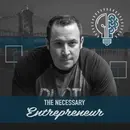
Pat Flynn is one of the most recognized voices in online business, podcasting, and community building. In this episode of The Necessary Entrepreneur with host Mark Perkins, Pat shares his journey from architect turned entrepreneur to becoming the founder of Smart Passive Income (SPI), a platform that has inspired millions to build businesses that serve others.
Pat also dives into his brand-new book, Lean Learning, where he teaches entrepreneurs how to escape “just-in-case learning” and instead focus on the powerful practice of “just-in-time learning.” This conversation explores how that framework can save business owners from overwhelm, boost execution, and accelerate growth.
You’ll also hear Pat open up about:
-
How he built SPI into a trusted brand with over 47 million podcast downloads
-
Why community is the most valuable asset an entrepreneur can build
-
The surprising rise of Deep Pocket Monster, one of the fastest-growing Pokémon YouTube channels
-
Lessons from balancing multiple ventures while staying authentic and focused
Whether you’re building your first business, scaling your brand, or looking for inspiration to grow your influence, Pat delivers practical wisdom, personal stories, and timeless strategies that can help you create a business with purpose and momentum.
📌 Find Out More About Pat Flynn:
Pat Flynn Social Channels: Twitter // IG // TikTok
Deep Pocket Monster Social Channels: Twitter // IG // TikTok
YouTube Channels: Pat Flynn // Deep Pocket Monster // Short Pocket Monster
Website: www.patflynn.com // www.smartpassiveincome.com //
https://deeppocketmonster.com // www.leanlearningbook.com
Mailing address: 10531 4S Commons Dr STE 524 // San Diego, CA 92127
Purchase Pat's Newest Book "Lean Learning How to Achieve More By Learning Less"// https://leanlearningbook.com/
📌 Connect With Us:
Website: https://www.thenecessaryentrepreneur.com/
YouTube: https://www.youtube.com/@thenecessaryentrepreneur
Instagram: https://www.instagram.com/thenecessaryentrepreneur/
Facebook: https://www.facebook.com/TheNecessaryEntrepreneurPod
X (Formerly Twitter): https://twitter.com/MPerkinsTNE
LinkedIn: https://www.linkedin.com/company/tnepod/
TikTok: https://www.tiktok.com/@tneclips
Spotify: https://open.spotify.com/show/6xhGUE1yzy2N0AemUOlJPx?si=d1c5c316af404f15
Apple Podcasts: https://podcasts.apple.com/no/podcast/the-necessary-entrepreneur/id1547181167
0:00 We all want to learn just in case. We are programmed to learn just in case, but we need to learn just in time. Trusting that when you need the next step in the information and the resources for that, that it will be there. It's guaranteed that there's so much information. We know that information is there. So let's focus on the now and the next step until we need the next thing and then we can go and find the resources there, trusting the process. Bye!
0:44 Hey guys, welcome back to the necessary entrepreneur. Um, I'm pumped today. guest is Pat Flynn, uh entrepreneur, podcaster, author, and creator of the hip Pokemon YouTube channel, deep pocket monster. But he's also the founder of smart passive income known as SPI for the acronym, the host of a podcast with over 47 million downloads. You're to find out today. He's not just about the numbers, but their significance that comes with this and a true master of community building. Pat, welcome to the necessary entrepreneur brother. Dude, I'm stoked for this conversation, man. We were talking a little bit before we hit record and I was like already getting into it. And I was like, well, we should probably record. this is, let's dive in, man. I'm here to follow your lead. Yeah, it's awesome. We were talking about the shirt since you're wearing it.
1:25 I referenced a lot of these things and I said, man, what's impossible? You're like, no man, it's my buddy's brand where nothing's impossible. And when we talk about these types of things, I love touching on it because it means something to you. so, so what about that? The shirt, your buddy, the idea of it. Yeah, I grew up with a lot of, well, be careful, this might not be safe. That's the kind of household I grew up in. And of course, I had protective parents, which was great, but it kind of conditioned me as I got into adult life to kind of worry a lot and actually out think myself when it came to certain things I wanted to do. And it wasn't until I got laid off in 2008 that everything changed. And I realized that maybe I could carve my own path in life and start my own thing as opposed to kind of just doing what everybody else said I should do.
2:07 And I'm sure we'll get deeper into that story, but really understanding that and the way the reason I wore the shirt today is just, you know, it's all a battle with yourself, right? You are your own worst enemy. You are the one who's going to get in the way of you getting to your goals more than anybody else. And as long as you get yourself out of that mindset, then really nothing is impossible. And of course, this brand with the community behind it, uh nothing's impossible, especially when you connect with other people and you collaborate and you, uh you know, get help and serve other people at the same time. I wouldn't be here today if it wasn't for the people I've surrounded myself with in my mastermind groups, at events and all these kinds of things and the communities I'm a part of. ah I wouldn't be here today if it wasn't for the people I've surrounded myself with.
2:49 And you probably heard, Mark, you are the average of the five people you spend most your time with. I'm always trying to put myself in the room where I'm the dumbest person in the room so that I can absorb and learn everything that I can. I don't mind getting into a room and teaching as much as I can as well, but if I find that I'm just doing that, then I'm not able to grow and learn. Why do you think, who came up with the first one that's the five? Why do you think it's not the three or the two or the four? Yeah, I don't know. I think this is a Jim Rohn quote and he was just like, I don't know, five's a nice number. It's a number that like I remember in the blogging days, it was like, hey, if you're going to do a listicle, do five because that's like, it's more clickable. I have no idea. But, um, you know, it's also not 50. It's not a hundred. So these are the close people in proximity to you that you absorb, uh, kind of their characteristics and, and, and you all feed off of each other and you can put yourself in a group that can lift you up and you can put yourself in a group that's going to make it very difficult to climb out of and into anything new.
3:41 Yeah. So you referenced 2008. uh Everybody always wants to know the story because I think so often people that achieve prominence in an area like you have, I'm sure you would check it and self-deprecate and you still have a lot more to do and accomplish. That's the entrepreneur's journey. However, when we see someone who's done big things in their area, it's important for us, I think, to understand the story. So it's funny that so much success always comes out of however we want to note it. Failure, learning. But 2008, I'm sure that most people would say losing a job from a career that you had worked hard to achieve is failure unless you want to reword that. Not necessarily your failure, but it definitely wasn't the path that you had chosen.
4:24 No, it was, it was disappointment. was feeling like I was backstabbed by society because I had done everything that I was supposed to do. got perfect grades all throughout high school. went to Berkeley and graduated Magnicum Life from the architecture space there. And I got my dream job right out of school. And I was working in the restaurant field in architects in the architecture firm I was in, like building restaurants. It was so cool and so fun. And then 2008 happened and Even though it was stuff that I couldn't control, I felt like that I had done something wrong. My first thought when I got laid off was what could I have done better? As if it was my fault.
5:04 And I retreated, I went into a state of depression. I didn't know what to do. I got into some small kind of circles and communities of people making money that I was just like, ick, this is gross. One of them was like, an amway thing that I got roped into and I was like, oh my gosh, I don't want to sell lotions to my family. This is weird. uh Like this is like not what I want to do. So I kind of just was, was lost. And it wasn't until I, uh you know, first of all, I had a ton of support from my fiance at the time, April, who's now my wife, who, was like, you know what, no matter what we're going to be together, we're going to be fine. We're going to be fine. We don't know what's coming, but we're going to do this together. Having that emotional support during that time was, was the most important thing.
5:45 because eventually I got up and out of bed and started looking around for solutions. And I discovered a podcast in 2008, it was called Internet Business Mastery. And there were a lot of people teaching online business at the time, most of them snake oil salesmen who were asking you to pay with a credit card before giving you information. But this group gave everything away for free. And Sterling and Jay the host, they had a guest on the show at one point. And this is why I love podcasting, podcasting changed my life. And so this is why I'm always on other podcasts, because I just love it I know the power of it. There was an interview with a guy who was making six figures a year, again, in 2008. online helping people pass the PM exam or the project management exam. And it just blew my mind. I didn't understand how that was possible until I started trying it myself because I built a website to help people pass an architectural exam called the LEAD exam, Leadership in Energy and Environmental Design.
6:30 Sort of a niche in a niche in a niche. And lo and behold, after a few months, I started getting web traffic and I was like, oh my gosh, there's people here. And then I put Google AdSense on that website. And what that does is it allows you to kind of display ads. And if you get anybody to click on those ads, you get some pennies here and there. And I remember I earned 18 cents in my first month and it was glorious, Mark. was life-changing. And even though it was change I could find in my car, it was the fact that I had like created something and in a relatively short period of time, I saw some revenue come from it and that revenue continued to grow. But it wasn't until I actually got around and surrounded myself with other entrepreneurs that I discovered that I could have, and I did publish a study guide. So I took that information.
7:11 And I wrote a study guide, published it in October of 2008. And that first month I had made $7,908.55 from a $19.99 ebook. That's after PayPal fees. And I was just like, what is going on here? This is incredible. The 9K the next month, 12K the next month, all the way to May 2009, was earning 30 to $35,000 a month from what later became a $29 ebook. And then the crazy thing happened was the United States Green Building Council. which is the company that writes the questions for the exam. They came out with their own guide and I thought I was done. Like there's no way a person would purchase from me because I barely passed the exam. I'm just the person posting this stuff online, but you can get help from the people who write the questions.
7:56 That was my most profitable month ever. And when I asked customers, like, why did you purchase from me? They said, because you were relatable, because I felt like you were me just a few steps ahead. And that was a huge eyeopening moment for me. And it really taught me moving forward that when I became a creator later on smart passive income to teach all this business stuff that I was doing with my architecture stuff as a case study. Then later with my books on stage, my Pokemon stuff now and invention that I have other websites that were made and sold always just being me. And the more that I could be personable, the more human I could be, the more likely I was to connect with people and then better serve them. And lo and behold, we live in an age now where being human is probably the most important thing you can do when it comes to building anything because The robots are here, right?
8:42 AI is here and everything's now commoditized in terms of information. It is how you wrap that information, the stories that you tell around it, how you connect, how you're relatable that gets people to A, pay attention to you, but then B, take you up on your offers, take your recommendations, wanna work with you because you are a person just like they once were. ah Or you were once them and now you are a few steps ahead. So anyway, I'll stop there, but I have a lot to say on. creating, on building, exploring, learning, all these things that have helped me get to where I'm at today, now having earned over eight figures online since 2008, and way more, not just money, as a result of going down this path and getting laid off.
9:25 Thankfully I was laid off, now I can say that. But more time. I have a lot more time and freedom to spend with my family. The kids are getting older now, but as they were growing up, my wife and I both taking the kids to school every day, both. picking them up, other parents asking us, how are you doing this? Like, don't any of you work? Yeah, we work, but we build the business around the lifestyle we want and what's most important to us, not the other way around. We don't just try to fit family in to the busy life we have. We cater our business around the family life we wish to have. So I'll stop there. I mean, I think that the only reason to stop is like to continue the conversation, right? And so I think, and they will build on it. So the smart passive income SPI, it was your program first.
10:08 That's what makes these so relevant, right? You just didn't think of something and say, from a, from a professor's perspective, let me teach this thing when I'm not doing, it was the things that you figured out, right? And so since it helped you as an entrepreneur, it's helped so many more sense. I mean, you don't make eight figures online without having systems. But you touched on, I don't know if you used the word, but you touched on passive income now. That's what I'm, so, but I just want to have a real conversation on what you've learned about it and what the marketplace misunderstands about passive income. Yes, passive income has over the years taken on a negative connotation. A lot of people have abused that word and has taken advantage of that word.
10:50 And many people don't even believe it's possible right now. The reason why my website was titled Smart Passive Income was number one, it was a keyword that many people were looking up and I was actually earning it because I would wake up the next morning and I saw that 30 people from around the world purchased my lead exam guide and I had more money in my PayPal account than I did the day before and it was a result of first putting in a lot of work investing that time and money up front to then continue to reap the benefits down the road after that thing was built. It wasn't just like I just pushed a button and everything happened. I hustled my way to get into something that could then continuously serve people. Passive income is not a hundred percent possible though.
11:33 There's always upkeep required. There's always going to be some form of management required whether you have a real estate portfolio, stock portfolio, if you have a portfolio of businesses, you're going to have to upkeep them. So nothing is a hundred percent hands off unless you're named Bobby Bonilla and you once played for the Mets, right? That's the only dude. It's crazy. It's crazy. Um, but I will say that passive and residual income can happen when you remove yourself from the process of serving people, but still are able to do so. Meaning it's going to take a lot of active work upfront. You're gonna have to build something that actually helps people. That's what a business does. And once you figure out how you do that, then you can figure out how to remove yourself from that process, but still make that service happen.
12:18 For me, it was writing a book and having people find my website on Google. I didn't have to work to do any of that, because that stuff just happened after I put all those things in place. And then the flywheel happens. With my invention in 2019, my videographer and I, created a physical product called the SwitchPod. It's a tripod that the legs fold in and you kind of hold your camera with a nice little handle. And that was launched on Kickstarter for $418,000 in 60 days we had made. And now that's just for sale on Amazon, right? It's not a hundred percent hands off. It's like at some point every couple of years, we'll have to replenish the stock at an Amazon, but every day we get sales and we get a check coming in from Amazon every single month with not lifting a finger because we've lifted a ton of fingers upfront to do that.
13:03 Right. So The truth about passive income is that it is actually possible. It's not a forever kind of thing, but you have to start by being active first. And that's where most people fail and where most people who are good talkers and entrepreneurs who teach entrepreneurship, who just don't have any of their own case studies, they're basically an MLM program. uh That's where they get people. And that's why it's gotten a negative connotation because, you can make a lot of money. You just got to sell my program about making a lot of money. And then the pyramid sort of happens from there. having the architecture case study was huge, because a lot of people were talking about entrepreneurship and that's what put me on the map. Oh, Pat's actually doing what he's saying and he's actually experimenting and he's trying and sometimes it's good, sometimes it's not.
13:46 But on Smart Passive Income, one thing I did early on that really took off was I shared my income reports. So I literally shared how many customers I was getting every single month on my architecture site. Once I started building new websites, for example, in 2010, I started a security guard training website. I wasn't a security guard, but I just wanted to show people that part of showing up online is being an expert curator. So I built a website to curate all the information about becoming a security guard, put it on a website, and in 73 days it became number one in Google and started making about 200 to $400 a day. And I just showed people how to do it. And I shared the screenshots. I was like, hey, I showed you how to do this for free. You can do it too. And many people did, but they also wanted to use the same tools that I used.
14:29 So they said, Pat, how do I build the website? Well, click here. It's my affiliate link for this web hosting company. If you click on it and use it, I get a little payment. Great. Everybody's happy. Everybody can win. And my affiliate income, when that, when that case study, when that hit number one in Google, that security guard training website, which I eventually sold in 2020, when that hit number one, everybody was like, yes, he's showing us how to do it. I want to do go through the same path. And I laid it all out. So of course, when people purchase those things from me, I got a check for it. My affiliate revenue came up and I got more money to invest in building new things. I built an iPhone app company that eventually sunset itself once many, many, many more people got into that space. Um, it just wasn't a thing I was very passionate about. Um, and then I started writing books, started speaking on stage, definitely the least passive things ever.
15:13 Although books, yes, yes, you can generate revenue from books down the road, but again, all of it takes time and effort upfront. So yes, it does exist, but it will not appear out of thin air. Most people will not get to the point where it becomes a passive, but Passive is the final step in the process where you remove yourself from the systems that you've built, whether through tools or through hiring other people to do those things for you. How did you know the systems you were building were gonna work? Because it seems like they worked pretty quick. So there was a book that came out a year prior that really framed the choices that I made.
15:53 And that book was the four hour work week by Tim Ferriss. It was this white book that kind of changed the world. Then it became an orange one in the second edition. in it, Tim talked about investing your time into tools and people to help remove yourself from processes, right? So for example, when I was building the architecture website and I created this guide, I knew that if I could get the guide done, that I can have it set up so that when people came to the website, they could click a button, then it would email them the PDF file, and then I'd get money in my PayPal account. It was completely hands-off after that. And then I can just focus on making sure my website was at the top of search engines, and that's it, right? So these systems were built, and it was more hypothetical, but I saw results, small results, early, which gave me encouragement to then go bigger, lean into it, optimize it, all those sorts of things.
16:43 The other part about this that is really important is just the idea of like not everything I've tried has worked, but that's how you get to the things that will, right? A lot of people say, well, I don't want to make mistakes. You know, I don't want to fail, you know, mistakes. People think those things will derail you, but they actually create the guardrails that you can now work in between. So for me, it was very difficult early on to uncondition for myself, uncondition myself from what I had learned growing up, which was you had to be perfect. I remember coming home with a 95 % of my math test and my dad would just drill me on the last 5%. I have PTSD with legal pads because of this actually.
17:28 gosh, yes. I cried because the 5 % I got wrong turned into a two hour tutor session with my dad who was like a math wizard. And so he kind of like wasn't the best teacher at a fourth grade level uh for a lot of the stuff. especially when I got into calculus and stuff. uh yeah, I was like, I don't want this lecture anymore, so I have to be perfect. But when I became an entrepreneur, I wanted to be perfect. And I found that I wasn't getting anywhere by trying to be perfect. I only got somewhere when I got something that was out there that was good enough. How did you overcome that? How'd you overcome and circumvent that?
18:10 had no choice. I moved back in with my parents. uh Legal pads everywhere again. uh Not really, but I was engaged and I moved back in with my parents. This was like not the direction in life I wanted to go. I was kind of like working backwards and I was driven to just see what would happen. And I said, okay, well what's worse? Me like trying to perfect this ebook and trying to publish this thing and kind of waiting months and months and months until it's perfect. and months and months and months still being here in the house or trying it and failing and then figuring it out from there. Well, the latter and I just kept going. And so eventually, you know, I started seeing what worked and I started to surround myself with people who were much smarter than I was, as I was saying earlier in the world of entrepreneurship.
18:53 And I was like, like I could start an email list so people can download a free practice guide and then I can email them my program. Well, that sounds like it would make sense. Let's try it out. Three days later, boom, I get sales. Oh, I could have an audio version of my ebook. How do I do that? Oh, you just need the MP3 files. I recorded it myself because I had a Logitech gaming microphone. I was like, I got a microphone. It was crap. It was, I spent two weeks recording this thing, reading it. And I was like, it's my own book. And I was even doing a poor job of reading it. Um, and this mastermind group that it was in, they were like laughing at me. They're like, no dude, you have some money coming in from this book. Now pay a couple thousand dollars for somebody to read it for you.
19:33 was like, those people exist? And they're like, yeah, go to what was it at the time? Elance.com, I think it was, or ODesk.com. Find a voiceover artist. I paid somebody 1400 bucks. Trish was her name. Voiceovers by Trish. I'll never forget because she brought me the highest quality audio files for this architecture lead exam guide. And I sold it. And in two days I made up for the price of it. I was like, holy crap. other people can do things much faster and better than me and I can make more money if I work with them. This sounds great. So again, all kind of learning as I went, uh kind of finding the right information. Yeah, keep going. Find your own information. finding the right information for the right people at the right time and then putting it into action, right?
20:18 Rather than what we usually do is we go, how do we do this thing? Let's read all the textbooks about it. Let's get all the books that Barnes and Noble about it, absorb everything and then maybe take action on 1 % of it. If I just a look. Yeah, the book that she's written 24. Yeah, was that a accumulation of all your learning in this journey? Yes. Oh, a hundred percent. Yep. A hundred percent. how, it's how I've done. It's how in 400 days I've built a shorts, TikTok reels channel from scratch to the tune of 10 million views per day. wasn't by learning how to do all this and then taking action. It's learning as I go. And even that's a great case study because I, when I got into this sort of shorts game for TikTok and reels and sort of the 60 second videos, I was like, I'm going to do it for 60 days.
21:03 And that's very important when it comes to learning things. You want to give yourself a timeframe to get to a point where then you can determine whether or not it's worth continuing versus what we normally do is we dabble. We take action. We're like, this isn't working. I'm going to try something else and just, try everything and see what sticks. And then you're not giving anything enough time and attention for it to actually succeed. So it's important that you have a frame of time and it can depend on what it is that you're doing. I gave myself 60 days, 60 days video every day was the goal. Now, initially it took 45 minutes for me to create these videos and I was kind of fitting it in, but I wanted to make sure I got in daily. And by day 30, my views on these videos were between 500 and a thousand per day. Not great at all in the grand scheme of things. And normally I would have given up, but that wasn't the goal.
21:44 The goal was not views. I was not counting views. I was counting uploads. I was halfway there because I wanted to get to 60. However, some stuff did happen by day 30. I cut my editing time from 45 minutes to 12 minutes. I got three times faster. four times faster even, as a result of just continuing to do this every day, learning the templates and getting the shortcuts on my editing program, all these things. And even if I were to fail on this experiment, I could take that new skill that I've gained and put it somewhere else. So it's still not a failure. I got 30 pieces of data coming in from YouTube, 30 retention graphs showing me which parts did work better than the others, which frameworks that I use in my videos did actually hold people's attention for longer or not.
22:25 And on day 35, One of those videos hit 750,000 views. It just exploded. I don't know if I waited long enough or I finally hit the right formula, whatever it was, I don't know, but I gave it enough time. It happened and I haven't looked back since. And now we're at 10 million views per day across TikTok reels on shorts. Also now experimenting with Facebook and Snapchat, literally the same video. And this has become its own mid five figure income source from something that I didn't even know anything about or start. less, a little over a year ago. Yeah. uh Isn't doesn't that make it in this new world? It's tough to project likely goals and outcomes Focus on what you can control.
23:13 I could control if I hit record and publish. And that's why that became the goal. The goal is to do that for 60 days straight. Knowing that, hypothetically, not guaranteed, that some stuff will happen. That at least maybe the algorithm will pick it up, or at least I'll get better at certain skills. I can control the uploads, that's my goal. I can't control the views, I can't control how people respond to it. That I want to be the byproduct. of the thing that I can control. So yes, you don't know exactly what the outcomes are going to be, but you know what you have to do to get potentially an outcome. Make that the goal, right? Make the goal similar to James Clear and Atomic Habit, right? It's not, I'm going to, uh you know, run a 10 minute mile because I can't even like jog a full mile or walk, you know, without huffing and puffing versus I'm just going to put on my shoes every morning at 6 a.m.
24:06 That's it. I can control putting on my shoes. And now that I have my shoes on, I might as well go on this walk. And over time that walk becomes a jog becomes a run, right? I can control that first part, especially that first part of that, that habit. And for me, I had a calendar setting for me after the kids went to bed to then edit my short that would then go out, you know, within an hour later. And because it was only a little bit of time I had, it also forced me to make clear decisions on what was important, what was not. Sometimes when you have too much time, right? What is it? Parkinson's law. you will take the amount of time required or you'll do the amount of effort or it'll take as much time as you give it. So if you give it three weeks to accomplish, you're going to take three weeks.
24:48 You're going to be up at three weeks down to the wire, just the same way if you would have given yourself maybe one day. A thousand percent. And I've, I've learned about that law and I've taken that to my advantage by almost having a force function of having to get it out and not having the time to overthink. Right. Who do you think Pat would have become if you didn't get laid off? Because this goes in line with the question of, we born or are we built? Do you think that Pat in the architectural space would have achieved high levels within that career? Within that career, yes, that was my goal. I wanted my own architecture firm. I wanted to be the next Frank Lloyd Wright or Frank Gehry, if you know any famous architect.
25:35 Yeah. And so I was like, I'm working as hard as I could. was taking tests. I didn't need to, I didn't need to take the lead exam. And that's how I discovered it was so difficult. But I'm glad I did because when I got laid off, I figured out all those things out. uh I was staying extra hours. I was uh studying more than I needed to. I was doing roles and tasks that were beyond my job description. I became the youngest person to be uh made a job captain at this firm and I was set to do big things. uh Looking back, if I hadn't gotten laid off, I guarantee that I wouldn't have been become an entrepreneur. I needed to get kicked out and not let back in in order for it to happen. In fact, even after I started generating revenue on the business side of things, I still went in for interviews because I just couldn't imagine myself walking away from what I've already sunk my time and effort and energy into.
26:26 And this is that sunk cost fallacy that you may have heard of before where because I put so much time into something, well, I should stay there, but that's not always the case. And I'm so grateful that I got laid off and I thankfully was able to react to it eventually in a way that allowed for good things to happen. uh I was actually one thing that took my mind away of all the things that were happening around the time was I watched a movie over and over again. So my all time favorite movie might even see like back there's a hoverboard. uh It's back to the future. I watched it over and over again, ah one hour and 57 minutes. And after that one hour, 57 minutes, I was back to reality. And the reason I love that movie so much is because it had a time machine in it, right? This idea of going back into time and changing things.
27:08 I really just hope that one day There would be a time machine, a DeLorean I could fly into 88 miles per hour, go back and change my career or maybe work harder or do something different that would lead me to not have lost my job. But I knew. uh you think differently now though, knowing that you're already the person that would want to go back in time and change it, it make you intentionally try to make it more right in the moment? Yeah, I mean, that's a good question. It's like, if you knew what you knew now, would you do things differently? It's like, well, if I knew things differently, I wouldn't be where I am today, right? You know, so it's, I don't regret anything. I'm grateful for the layoff. Back then I wanted a time machine, but then I eventually realized there was no such thing.
27:50 But part of that story, Marty McFly, you know, he goes into the past, changes a few things, comes back and his family's all rich now and they got all this stuff. uh That's the story I'm writing now for my future. And I get to decide on the actions I take today, whether or not I want to go into this spectrum of the timeline or this fork in the timeline. Right. So it's up to me. And I finally was like, wow, the actions I've been taking, which is like sitting in bed all day and kind of like sulking is not going to end up in a good space when this story is over. So let me rewrite the story and take action now. It's the actions you take today that help you tell your story tomorrow. It's It's this idea about making sure you live a life now that your future self is going to be proud of and happy about.
28:36 For sure, for sure. And I've learned that you have to take risks in order for that to happen. I have a saying, it's, I'd rather much live a life full of wells than a life full of what ifs. Cause at least if it's no well, I've given it a shot and I've tried it. The what ifs are gonna kill you. Those regrets, those things that you can never get back. uh So that's kind of how I live my life. And you know, at least if I tried something, I can learn from it. And if I failed, that's okay. Sometimes I've been very humbled by certain things that I've attempted and have failed, like certain softwares and things like that, that I've spent money on. Big lessons learned there. Like if I'm doing something to primarily chase the money, it's likely going to fail.
29:17 I've chased- do you think that is? We don't see it Yeah, I mean- choosing something just because of the revenue opportunity, you eventually in anything that has the ability to challenge you, which is often the thing that has rewards on the other end, there will be moments where it's going to be your passion for that topic that see you through those challenges. And in certain moments of time with, for example, software that I've tried to build that I had no passion about, there were tough times where I just was like, why? Like this is like, I didn't have the energy to keep going with it. Right? To get through those tough parts over those humps to then hopefully find success on the other end.
29:59 was no energy there because it was all revenue based that I was hoping for success. And I found over time that your earnings become a byproduct of first how well you can serve your audience. And that's always become the sort of initial driver. The money is the byproduct of what it is that you're doing, not what you should be doing it for. And that's been a big lesson for sure, but... Yeah, the architecture stuff, I would probably still be an architect. Hopefully a good one. I would be working probably 80 hours a week because architects do that. Architects, at least many professionals who I know are not well paid.
30:40 ah So I wouldn't be as I wouldn't have as much opportunity to travel. I know with my family's that that's huge. I probably wouldn't be able to see my kids as much. Um, and I'd probably still be quote unquote happy, but I wouldn't know to what extent, how happy I could be if I had become an entrepreneur. Hey, thanks for tuning in. If you like these types of conversations, be sure to follow the necessary entrepreneur on your favorite platform so you never miss out on future content. What lesson do you think we can take from this and those of us out here, friends and family and, and, and followers that while they're still working the job, they have this pull in this draw to think they want to become an entrepreneur, but it's hard enough to do when you lose your job and you feel like you have no other option.
31:32 but it sure does probably feel hard for a lot of people to leave that $10,000 or $15,000 a month or $6,000 or $7,000 a month, even if they have the ability and the capability within them. What do you tell those people? It is possible to do both, but you have to make some sacrifices. You'll have to say no to certain things that maybe you've always said yes to. Like. Watching too much Netflix. You know, you hear Gary Vee talk about this all the time. like, stop watching Netflix. Just like do the thing that you said you want to do this whole time. Like you can go back to Netflix later. Although I know they remove some things every once in a while.
32:12 I think they just removed like happy Gilmore one actually. So, know, like her wife is really going to suffer because of one thing we missed, right? Now I know back to the future, if you couldn't watch that, that would have hurt you, but everything else could go. Correct. Correct. That may be Star Wars, but there is a world in which you can dip your toes into this water. And I think it doesn't start with, well, what do I create? What should I sell on my Shopify or any of this stuff in terms of like product? All it really comes down to is finding a group of people, a community, a market, a niche, whatever you want to call it, and finding out what their biggest struggles are. What are their biggest pains? I have this thing called the one-one-one strategy. And this has worked really well for helping people, especially those who are still working who don't have a ton of time.
32:56 The one, one, one, fine. One person. who has one problem, they might have many, but pick one and get them one result. That's it. You don't need a website to do that. You just need to find the community, talk to people, understand what they're going through, help them through that and help them get a result. And a few things happen through this exercise. Number one, number one, finding the people. That's an exercise that you're gonna need to do as a business and entrepreneur anyway, business owner and entrepreneur. You're gonna need to know where these people exist. So you might as well go and find them now. And so you can find that one person. So you have now a little bit of market research happening. What Facebook groups are they a part of? LinkedIn groups, what communities online and offline, what websites are they going to, what YouTube channels do they watch?
33:38 Just getting into the psyche of this audience a little bit more so you can understand kind of what they're going through. Then discovering what their problems are. This is a great exercise because you need to know how to talk to people and how to converse, how to figure out what they need help with. Yes, you can do a lot of that research online and find Reddit forums and other things where people are talking about what they need help with, but... Something happens when you find that one person and you ask them what they need help with and they tell you their life story. And they tell you why the struggle is so hard and what they've been trying to do to get out of that. You feel empathy for them. You start to realize and have the superpower over other businesses helping this audience who are so disconnected with their audience. You have now a person, a real life person, not a made up avatar with 2.5 kids and a white picket fence, but you have Janice who has been struggling with this and has been trying to get out of that, but needs some help.
34:24 And guess what? You're speaking to curiosity though. Yes. Be curious. I mean, this is the best advice I could give you if you're a podcaster. This is the best advice I could give you for if you're an entrepreneur, get curious. And then finally, when you get that person, that result, number one, it forces you to figure out how to get that person that result. It's not difficult in the technical sense. You don't need to build a website or do any of this. You just having conversations. Maybe you're meeting on zoom, you're meeting in person, whatever it might be, whatever it takes, you figure it out. And then you find the pathway from where they were to where they need to go and you get them there. And not only do you yes now have a real life person who's gotten a result, which can then turn itself into a testimonial that can end up on a sales page or a newsletter, whatever it might be.
35:05 Yes, you have that now. But what then ends up happening and is more important is you now have confidence that what you can do actually works. Because most people who are entrepreneurs who try something for the first time, they go, I don't know if this is going to work. Then go figure it out if it's going to work. And I've just given you the easy formula to do that. And then that'll unlock in your brain. And when you think about it, as an entrepreneur, you have this metaphorical cure, whatever it is you're building for this metaphorical disease that you're curing. If you had a cure for a disease, wouldn't you not now feel like it is your obligation to go out there and find other people who have this disease metaphorically and cure that disease metaphorically? Absolutely. You get so driven.
35:45 No longer are you worried that like, you're going to sound like a snake oil salesman because you honestly know this helps and you're in it for the right reasons. And then again, as a by-product, you might make some money off of lessons that you offer off of coaching that you do, accountability, offering products, whatever the case may be. And then you can scale up and start building all the things uh out of there. Or you might find that the target market you off you targeted and the one person you're like, yeah, I actually don't enjoy this. Well, good thing you just did it with one person. You didn't build a whole business around it. Great. You can move forward now into the next group and continue to try to find yourself and others within that. So that's the one, one, one. and take the thing you learned along with yourself to the next adventure.
36:27 Correct. So important. What's the best thing about making money? We touched on a little bit here and what's the best part of it? I'm going to be very general at first and then I'm going to be very specific. Generally speaking, to have the freedom to do what I want, when I want, and most importantly, with who I want. uh That freedom is incredible and that's what everybody should shoot for. know, nowhere in my answer is going to be the big house. We don't have a big house. Or the Lamborghini. We don't have a Lamborghini. Our Lamborghini is a Telluride.
37:07 because that's where we bring our kids in and it's awesome. It does exactly what we need to do. It's perfect. But where the uh money really comes into play, you know, there's a creator out there, his name is Ramit Sethi. He has a Netflix series. He has a book called, Will Teach You Be Rich. A lot of people have polarizing views about the way he teaches, but one thing that he does teach is knowing what it means to you to live a rich life. Not rich in the sense of glamour and all this stuff, but rich in terms of like, What is important to you? Spend money on that and know what you're going to cut out and not spend money on. For example, his car is like a, I don't know, 2000 Honda Accord, but he's rich, but he also spends lavishly on like these, this clothing that he wears and all this stuff.
37:52 And for me, the rich life is allowing ourselves to order whatever we want from the menu at a restaurant, right? Not having to blink an eye at the different prices of things. If that sounds good, get it. Great. That's a huge rich life thing for me that perhaps as a response to just as a kid wanting certain things on menus or whatever and as kids do and then being told, we can't afford that. Right. So this is like now we're getting into psychology and child and deep, all this stuff. I'm sure psychologists would understand, but, They'd everything that you're doing now comes from that. That's what they would tell us. for sure, for sure. uh Getting valet at the airport, that's just like people like, wow, you spend all that money valet.
38:36 It's not that much more expensive than getting to the parking structure, at least here in San Diego. And I can just text the people when I rock, when I land and there's my car. Like that is such a huge, like, my gosh, like having some additional revenue to just have the convenience of this thing that I absolutely hate, which is parking at airports. Great. That's where I'm going to spend my money. And then of course on, on trips, because my family is about experiences over material things. Um, and we have been going to Japan a lot and you know, to, to have the kids experience new cultures, especially at this age and kind of understand what else out there is in the world. Um, it's, something we wanted to offer our kids and something that we didn't have a chance, my wife and I to do, uh, when we were younger.
39:20 So, um, yeah, that, that's convenience or we speaking convenience or experience or both? It's both. It's both. And they do overlap, right? Like, you could have a great trip somewhere, but they come back and then you can't find your car. Well, okay, that kind of ruins the experience. So that's very specific. But yeah, it's experiences in terms of what we spend money on, but also convenience so that we can get to those experiential moments even better or faster. Tell us about Japan. said you've spent, that's more than one trip to Japan. Yeah, so I was so with this Pokemon channel, I guess I have to preface this by saying I have a Pokemon YouTube channel started in 2020 with my kids actually, and we started collecting together. They outgrew Pokemon as kids at this age do.
40:02 They go to all kinds of different things. Uh, and I, didn't, I, I stuck around and I got to fall so in love with this community of collectors and, and, nostalgia and all this kind of stuff that I started a YouTube channel in January of 2021 in November of the same year, got to a hundred thousand subscribers on YouTube. And now we're sitting at one point. 8 to 5 million subscribers on YouTube. This is the long form channel, not the short one that I talked about earlier. So this is separate and it has opened up so many doors. It has allowed me to connect with NFL teams, NBA teams, UFC fighters. It's allowed me to connect with big brands who want to sponsor on our videos like eBay and others. uh But it's also helped me develop a relationship with the Pokemon company, which is incredible.
40:44 They send me some stuff early. We've gotten to know each other. They've invited me out to different programs and events. And the first time they did that was 2023. They invited me to Yokohama in Japan for the 2023 Pokemon World Championships. And yes, there is a world championships where competitors in both the video games and the card game come from all over the world to play for top prizes, money, cash, et cetera. And I was invited as sort of a featured creator to come in. And that's where I got to experience Japan for the first time. And it was amazing. So amazing that I had to bring the family back the next year. was so amazing for us again that we brought the family back again another year after that during Christmas time and we're going back again this year although we're also hitting up Korea because my wife and daughter both have gotten now into K-pop quite a bit.
41:29 If go into my daughter's room there are beautiful Korean men all over the place and now I'm starting to like these groups as well. I have a bias, yes. uh Anyway, Japan, one of the safest places on earth, one of the cleanest places. Everything is on time transportation around on the trains or anything is just is just incredible incredible and rich history. At least in this current moment in time super cheap. You can get a complete steak dinner for your family for example that you might pay $200 for a fancy restaurant here in the states for $30 US and it's primo oh my gosh the food is so good you can get a bowl of ramen with hand pulled noodles for like.
42:14 $2 us it the the yen is struggling. Yes, but the dollar goes a very long way there So if you can get there great and it's just it's just beautiful and of course That's the home of where Pokemon is from my kids and I are into anime as well So if you go to Akihabara, it's like it's like a giant arcade of a city there's just so many fun things to experience there and Getting everybody in front of especially the kids in front of new cultures new language realizing that like there are people who are different who have different ways of showing respect and different customs. It's just so important to have them experience that because they're going to be little adults soon and everything they absorb now is going to be a part of who they are as people, as citizens, as human beings.
42:57 And we want them to have and at least be as well equipped as possible with what's out there and what their options are. A lot of people ask me, Pat, like, do you want your kids to be entrepreneurs? I mean, of course I do, but we're not forcing that. Whether they want to go to college or not, that's their choice. Whether they want to become an entrepreneur or not, that's their choice. But they are learning entrepreneurial skills. For example, how to communicate and present, how to collaborate, how to solve problems on their own, how to fail and learn. Very opposite of what I grew up with. And these things again, I had to learn at the age of 25 when I got laid off. And now at 42, I'm just very grateful for everything that's happened and everything that my family and I have been blessed with.
43:39 what I'm doing on my platforms to share all this stuff. I'm trying to make sure other people have that same opportunity as well. When you said they don't have to become entrepreneurs, but sure I'd want them to. Why? Because I believe entrepreneurship is the greatest tool that one could offer that both helps and serves other people, but also can help you build the life and design your life around that as best as possible, right? To be your own boss, to make your own decisions, to fail on your own terms, to win on your own terms, I feel is such a wonderful thing. And I'm not saying I would be upset if they became employees. They'd be really good employees because of the things they're learning here, and they can apply a lot of the same principles.
44:19 However, feel like entrepreneurship would definitely give them and anybody, this is why I teach entrepreneurship. would give anybody the opportunity to design their life in the best way possible for themselves and who they are. What's the most basic principle since you teach it? What's the most basic, like fundamental start from scratch principle when you're talking to somebody who's getting ready to become an entrepreneur or they're struggling? What's the foundation, the basics? It's a quote from Zig Ziglar that I swear to God, my son rolls his eyes every time he hears me say it. It's like ingrained into him now, but he knows it, which is a good thing. And that quote is you can have anything in life you want so long as you help other people get what they want.
45:00 That's it. That's the underlying principle to me of what it means to become a successful entrepreneur. There are other entrepreneurs out there who will tell you otherwise in terms of money, revenue, scaling, that works for them. But the business plus life. scenario and optimizing for both really comes down to how well can you step up and serve others? And that's the way I teach it. In your book, um What do you think? It's less is more, right? So you're countering the idea in society. It's more, it's more, it's more. But I think your fundamental principle in that book is less is more and even how you should learn and go about approaching learning and growth.
45:48 Is that a correct statement? Yeah, look, back when you and I were kids, information was valuable, right? If you were the smartest kid in the class, you were going to be the most successful. you. Yeah. yeah. Right. Encyclopedia Britannica. Great. You're smart because you could afford information. You were higher class because you had like 26 books in your home because you could afford it. Right. No longer is that the case because we all have access to literally the same information. And now we have AI helping us even more. However, our brains are still approaching information as if it's like a scarce food source, right? If you were living in like caveman days and you saw like, I don't know, a carcass or fruit bush or something like you would hoard it.
46:32 Cause you might not come across another fruit bush or carcass later to eat. It's survival. But the problem is if we're treating information this way, number one, we're at this buffet line now of info and we're literally gorging. We are obese with information. and slower and we're having a harder time digesting all of it. Like all the food analogies work here, right? We consume information just like we've consumed food. If you're consuming too much, you're gonna stuff yourself full. And what are we stuffing ourselves full with in terms of information? A lot of it is sort of sugary, just the endorphins that come in from these like really quick uh TikToks and all these kinds of things, right?
47:17 And not only that, we're getting force fed, right? If you search up anything on YouTube, you will then be fed more about that thing. And you will just go and listen to a rabbit hole until you're just kind of like, you're needing like metaphorical bypass surgery for the information you're consuming. Right. And think about it, even like when we're in the car, when you go in the car, what do we do? We have to put a podcast on all the time. We have to put an ebook on or else we're wasting our time. We literally think it's a waste of time not to always be learning something. Today I had to break that cycle and I just put on some Ozzy Osbourne, yeah, Ozzy, ah coming home, just put it on rotate for two or three times. Yeah, and that's great.
47:57 You know what I've been doing in the car? Raw dogging it. I am silence in the car, which I know sounds strange. But you've heard of shower thoughts, right? How some of our best ideas come up. hours. I don't know why they're my best. Right, same. Because we finally have time to sit and think about the things because there's literally nothing else to do. We are literally naked in the shower and there's nothing else to do. Something about that water, I've gone here, something about that makes it feel like there's nothing else beyond it. Mm. I like that. I don't even have to go into the mode. I'm in the mode. Right.
48:37 So what we need is to drive in the car, but like have water being sprayed on us at the same. That'd be like the optimal thing. But you know, even just the sounds of the car in silence, it's weird cause you hear sounds of the car. You're like, wait, I haven't heard that sound in a long time. Cause usually you have something playing, but I get some of my best ideas on those drives because I finally not filled in that extra time with more stuff. Right. I finally been able to not just absorb and digest, but actually like create from that and, and, and grow from that. Right? Like protein can help you with. So Marketplace, what do you think Charles Darwin, if we could invoke our best Charles Darwin, so the Pat Flynn, Charles Darwin 2025, do you think he still thinks survival of the fittest with all this information in front of us now?
49:25 Yes, but what does it mean to be fit to be fit now does not mean you have access to more information. It knows it's, are you able to use the right information at the right time from the right resource? It's staying disciplined enough to pick one resource, find that resource and then take it and put it into action. Right. It's, it's exactly how I wrote my ebook, my lead exam book, right? I didn't know how to write an ebook. I remember When I was told to go write an ebook, started reading, like my first inclination was like, give me a school to teach me this. I need to know all the things before taking any action. But again, I didn't have the time. Um, and I knew that if I just at least wrote things down on Microsoft word first, that at least I'd have like the base of it.
50:11 So that's what I did. Like, like even though I had to eventually figure out how to format it, how to um turn it into a PDF file, how to design the cover, how to sell it on my website, how to write sales pages, all that stuff overwhelmed the crap out of me, because I'd never done that before. But I knew if I could just focus for a period of time, which I did, on just writing the manuscript for this thing, that part at least would get done. And I did it. I did it in about two and a half weeks. And lo and behold, I had this thing on my computer that was like, I have to take the next step because I have it. Like it was just sitting here and I'm so close, I feel it. So then I went and I was like, okay, what's the next step? Well, I got to format this so it looks good and there's space for people to write in and do exercises. And I don't know how to do that.
50:51 Well, in two hours, I figured it out on YouTube. I just looked on YouTube. I found the right resource at the right time for the right person, implemented it. Boom. Now I have this thing. Same thing with the title and the cover. Great. Then I need to know how to sell it. Well, I know I'm not the first person to sell something online. So there's people who've done it before. Let me go find somebody who has and they're like, oh yeah, Pat, there's a tool called the E-Junkie that you can use where you can upload your PDF file and get a button to put on your website and then you're good. 20 minutes, I had it done. Oh my gosh, this is incredible. Now I need to write a sales page. First inclination, I need to go to copywriting school. I need to spend all this money and time to figure out how to be an expert copywriter. I went to a buddy and he was like, Pat, you should just check out Yannick Silver's book, Moonlighting on the Internet.
51:32 And I was like, Moonlighting on the This book's about like 50 different ways to make money online. He's like, no, no, no. In the back of the book, there's an appendix. It's literally a sales page that you can just mad libs plug in your product and just make sure you write your features and benefits in it and you're good to go. That was the actual sales page I used for my architecture guide that helped me make over one and a half million dollars. Not because I learned all the things and became an expert at everything, but I found the right resources at the right time for the right thing. And I guarantee you I had, when I needed it. You didn't get the advanced degree before you need to put it in place. Right, but we all want to learn just in case. We are programmed to learn just in case, but we need to learn just in time.
52:13 Trusting that when you need the next step in the information and the resources for that, that it will be there. It's guaranteed, there's so much information. We know that information is there. So let's focus on the now and the next step until we need the next thing and then we can go and find the resources there, trusting the process. And that's essentially what lean learning is in and amongst several other strategies for accelerating learning. How are you using AI now differently than this combination of things in the past, like a either Google or Safari combined with YouTube? So that was our past learning. What are you doing with AI now that is different than utilizing those traditional sources that pretty much we've had for the last decade?
52:57 combining traditional sources, the right ones, with AI to help me come up with things faster. For example, I wanted to learn how to uh script a video essay. Right? And I was like, okay, cool, I want to write a video essay for, I'm in the middle of producing this actually, a video essay for my book, Lean Learning. A video essay is a very specific style of video that's published on YouTube. It's more documentary style, all these sorts of things. So I use a tool that allows me to connect my book, it's called Poppy AI. I can connect my book. I upload it, PDF file with three videos from YouTube that I've watched that I like that have a structure that I want. And I plug that into the AI as well. And I'm like, okay, now combine these, write me a script for a video essay about my book, Lean Learning, using the structures and frameworks that are taught in these videos by these video essay experts.
53:45 Go, boom. I now have this thing in front of me. That's at least a first draft. I never just take from AI on the first pass and then publish, but it is a first draft and I can refine from there. I also use AI as a creative partner and I role play with it. You are a beginner entrepreneur. This is a prompt that I might tell AI. You are a beginner entrepreneur trying to figure out how to build your first business. Here is a solution that I have for a course that I'm thinking about coming up with. What are the objections that you have in your head as a first time entrepreneur that would stop you from even paying attention to this offer? Go. Boom, boom, boom, boom, boom. I'm worried about. How do I know this is real? How do I know you're not a con man? Or what proof do you have that this thing has worked for others?
54:28 All these questions that are probably questions that people coming across this future core sales page would probably have. So this is how I use AI as a role-playing partner. This is an incredible time, but also scary. And where I use AI is for a tool to help me to get to the point of service faster. If I get a whole bunch of survey data, for example, Yes, I could go through all of that myself, but AI could show me some of the patterns that maybe I wouldn't even be able to find myself. That speed runs me to be able to then take that information and use it, right? So I use AI to help accelerate so that I can get to the point of service to my audience faster.
55:08 So you've referenced snake oil salesman two or three times. Yeah, screw those guys. What about that is one of your pet peeves? I've been sold a lot of snake oil in the past. That's essentially it. And I have a disdain for people like that. em And it's funny because a lot of people, they'll immediately see the URL, smart passive income, and they'll go, that guy's a snake oil salesman. I just know it from the domain name. So this is why passive income is sort of taking that negative connotation. But then they dive in, go, this guy's actually sharing the reality of it, that it's not an overnight thing, that this is not going to be easy. Okay. And that's part of the reason also that I wanted to get in front of that keyword because a lot of people we're taking advantage and selling a lot of not great stuff to people back in the day as well.
55:53 So I could get ahead of them and I have for many. How do you verify proof then? So if it's not safe, a lot of times we hear social proof and how do we have proof and see the receipts that are on us now? Yeah, I mean, it all comes from things like testimonials, having connections, having referrals, ah and just continuing to show up. I think that's the biggest thing. In the beginning, even when I got into the Pokemon space, people were like, who are you to be in here? There's always going to be gatekeepers, especially uh in spaces like that. But you have to get through them by just continually showing up and providing service. And eventually over time, they were like, okay, you've proven yourself. Yeah, you're here. Like I changed my mind about you because you continue to show up in ways that nobody else has.
56:35 And that is a hard thing for people to come across those gatekeepers who you have to empathize with them a little bit. They're protecting their community. And so all you can do is just show up and continue to serve and listen and learn. And maybe you did stuff that kind of came across the wrong way. Great. Pivot, react. Again, as long as you're coming from a place of service, great. But I have been served things in the past that were promised that were not promises kept. I have been sold by people who have really good copywriters on certain things and none of those things actually fulfill their promises. So that is something that is important to me and I think is why I continue to reference that.
57:18 Through the conversation too, can tell that you have a really good handle and acceptance of the idea of the marketplace. Right? That we're in a marketplace that you need to understand it, accept it, work within it. Because I've just heard accountability, authenticity, and taking responsibility for actions, for outcomes, for intentionality. I've heard that come through here. And so what that means is you've overcome the bad parts of our ego. Yeah, you have to find your spot in it. You know, when I wrote my book, Will It Fly?, which was my first real business book, uh one of the most popular chapters is the market research chapter where I teach a exercise called the three P's exercise.
58:01 And it's when you build your market map. Cause if you're traveling into any spaces, you have to figure out the lay of the land first and figure out where you should land and how you're not, you know, overstepping boundaries and where you can come in and surf. Again, it always comes down to that. So this market map exercise, you find your three Ps within a market that you're in. You find the places that those people congregate and exist, online, offline, communities, niches, forums, wherever. Then you find the people who have already earned the trust with that audience, the authorities, the leaders, the influencers, the owners, whatever. And then the third one is going to be the products, the products that are already serving that audience in some way, or form.
58:42 And just that exercise alone can give you a lay of the land on what's here. And what is being offered, also maybe what's missing. Maybe you have that special sauce or something that's a little bit different and you can bring that into the space. That's what I did in the Pokemon space with more cinematic storytelling that nobody else was doing because I had that experience on YouTube since 2009 and I brought it into Pokemon in 2021 and it took off. People really enjoyed it because I found that that's where I could provide value in a space that hadn't been provided to before versus let me just open packs and talk about market fluctuations like everybody else. Um, so that Again, a little bit of work to quote unquote sharpen your axe first. It goes a very long way in how well you're going to cut through the noise.
59:23 What are you solving for? You you touched on an early 13 year old child, 15 year old child. Um, you referenced the importance of your wife on how she really stuck with you back when you were 25 years old and lost the job. Um, the eight revenue income that you've earned online. It's laid out as a pretty good life. What do you, what are you solving for? Still. I wouldn't lie to you. I would be lying if I didn't say that, you know, just continued security. Even though I am financially free, I'm always in the back of my head, like what if something happens, something changes, market flood, you know, I always have that fear and I'd be lying to you if I said it, if I didn't say I had that.
1:00:12 But I'm also here for legacy. And I know that's sort of a buzzword that gets thrown around quite often, but It's more legacy in terms of the example that I'm setting, not necessarily how much money we have and how much of that goes into my estate planning papers and all that kind of stuff, although that's obviously some of it. uh It's more of a legacy on, can I help continue to provide experiences that are memorable for not just my family, but for other families and other people too? There was a person who emailed me the other day, in fact, who had mentioned that they had taken a course for me back in 2017 and their podcast just hit like, uh think was their podcast just hit a million downloads.
1:00:55 And they were stoked because through that podcast, they were able to build a business out of that, that allowed their family to have more time with the kids that they had growing up. now their kids are teenagers. It's just this full story. It's like, They'll, in the back of their minds, I mean, they're not like, Pat Flynn every day. That's not what it's about. It's just like, wow. I was able to help this family stay better close together. And I had something to do with that. cool. Maybe I can help show that to my kids that they can be that for others too. And just be a part of it. You know, I'm one wave in a ripple that has happened a long time ago of people serving others who served others who served others. And my job is just to kind of amplify that wave as much as I can and keep it going.
1:01:39 ah You know, that ripple effect goes a very long way, the butterfly effect, if you will. ah And that'll kind of expand into my kids and their families and the people who they touch in their lives and so on and so forth. it's just a cool, yes, it's a good life. uh I could quote unquote retire, but I enjoy serving people. I would never retire from serving people in some way, or form, whether it becomes in the business world or becomes more entertainment or, you know, I have visions of writing fiction novels down the road and world building and all this stuff and Always just having fun along the way, that's the other thing. I feel like a lot of my success is as a result of finding the fun in things because I found, especially as a creator, if I'm having fun doing it and capturing it, then people are gonna have fun watching it being a part of the story too.
1:02:28 And I think a lot of people forget to have fun sometimes. I heard they're giving away free and very cheap houses in Japan. They are because they're in the culture of Japan. When you buy a house, you buy a new house. It's sort of a weird thing, but like if you are a Japanese citizen, you're buying a home. Apparently you want a new home, but that also makes sense because Japanese people are very clean, very, very like things need to be neat and in order and all this stuff. So the older homes that people have moved out of are available. And I believe because of the population decline that's happening in those parts of the world. They are encouraging foreigners to come in and live. They want people live and work there, but also contribute to the population in some way, or form.
1:03:14 And some of these homes are just beautiful, right? But they're a little bit more separate from like the Tokyo districts. They're kind of more in the rural areas, but they're gorgeous. And I mean, what a fun way to force function yourself to learn Japanese and, and enjoy some good food. Yeah. sounds like Pokemon 2. Yeah. For you and evolution. ah Right. So as we, as we wrap up here, the conversation has been great. When you come across, because you engage with so many people from your impact online and so many people have questions and how to do it and what to do. I just know the entrepreneurial path. People respect the thing that you've achieved.
1:03:55 So they want to know about it. I know there's a lot of questions that you always hear you like, man, those are the wrong questions. Just get started. That's probably a lot of the response that you want to give someone. But what's a consistent theme that you look for that when you hear it and you look at that individual, you're like, they're on the right path. And a lot of times we'd say it, but is there a topic? Is there even a word? Is there a mindset? Is there something that doesn't have to go real deep and be real, real complex that you're like, they're going to make it? Yeah, the one, if I could boil it down to one word, it's empathy. Going back to the idea of serving an audience, the more that you can understand who they are, what they're going through, why they're going through it, what they're trying to achieve, the bet, like all the other answers fall into place after that.
1:04:46 Cause very commonly the first question I get is Pat, should I create an online course? Should I start a community? Should I write a book? Should I build a software? I don't know. And you don't know either. Have that be the clear answer. after you dive into who it is that you're serving. It'll become clear once you know who it is that you're serving. That's it. And when I see people diving into, like I remember I had given somebody 500 bucks and I said, what would be the best use for you to help you with your business if I gave you this 500 bucks? And I was gonna give it to him. And they said, well, I'm gonna take a course. And I was like, a course about what?
1:05:27 And they're like, well, about online business. Maybe I'll spend it on yours. And I'm like, no, that's not the point of this. What is the most important thing when it comes to starting a business? And then he's of course like, okay, who is it you're targeting, right? Because that's who you're serving. How would you best spend this $500 to know more about your audience? I could run market surveys and send emails out. Maybe I can buy an email list. No, no, no. How would you, what, do you think you would have great insight in seeing market data? What would be the best way to connect with, I'm, go to them. Yes, exactly.
1:06:12 There are conventions on almost everything these days. So if you are interested in stationary, go to Japan during the world's fair, which might cost a little bit more than 500 if you're not local. you know what I mean? Like go to them. Who's here? Who are the players? Get to meet them. Go like have dinner with them. Like just inject yourself.
1:06:56 Yeah. A coach of mine a while back, James Schramko told me the secret to success is to stop trying to be so interesting and start getting interested. And that has always stuck with me. I appreciate you, Mark. This has been such a joy. Lean Learning, available on Amazon or wherever books are sold, Barnes & Noble, et cetera. That's probably the biggest message I'm trying to get out there right now. Probably the most impactful message I could share, but there's other books and things as well. SmartPassiveIncome.com. have all the entrepreneurial educational stuff too, for those of you who are looking for uh things like that.
1:07:39 And at Pat Flynn on most social media platforms. Thank you for this. It's been an honor. Thank you.