

 RSS Feed

 Apple Podcasts

 Spotify

 YouTube
#139 - Unlocking the Power of Memory with Tansel Ali
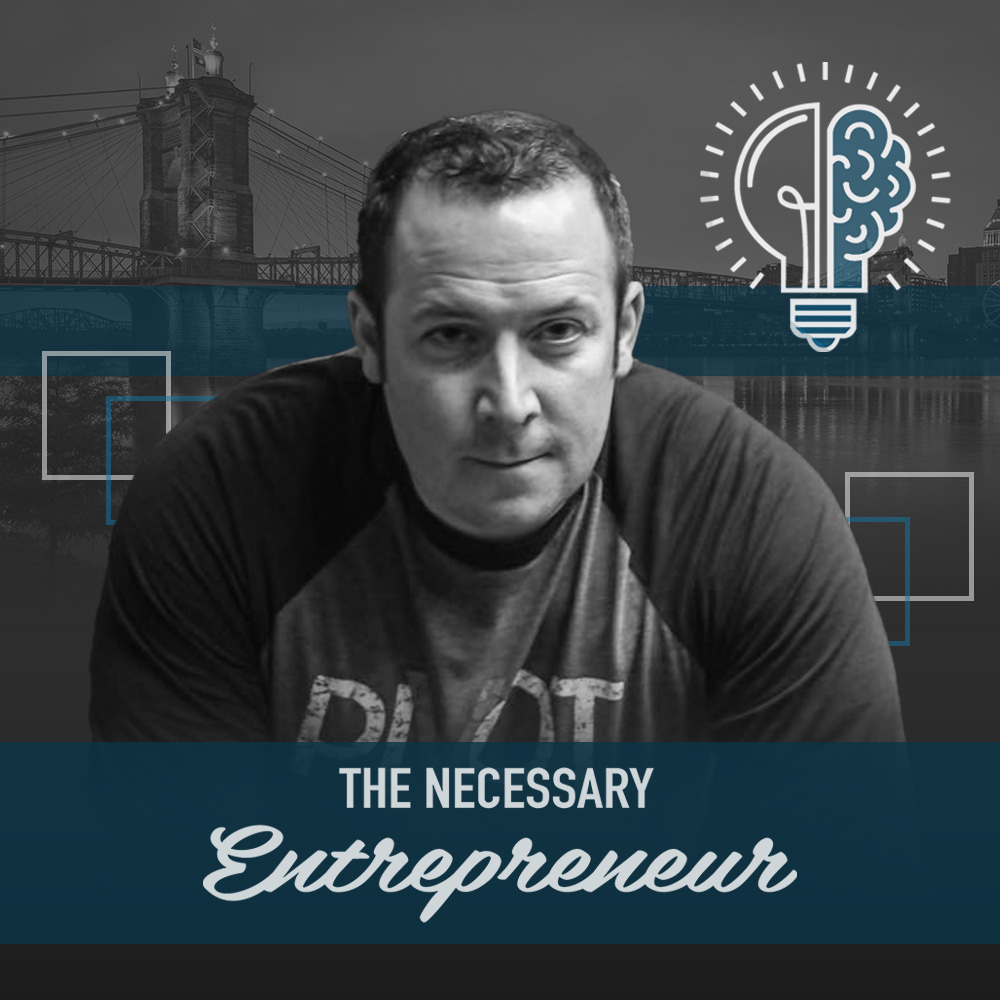
In this conversation, Tansel Ali, a four-time Australian memory champion, shares his insights on memory techniques and their application in personal and professional growth. He emphasizes that memory is a skill that can be developed through visualization, storytelling, and resilience. Tansel discusses the importance of continuous learning and curiosity, as well as the impact of memory on decision-making and stress management. He also highlights the need for individuals to take action and apply these techniques in their lives to unlock their full potential.
📌 Connect With Us:
Website: https://www.thenecessaryentrepreneur.com/
YouTube: https://www.youtube.com/@thenecessaryentrepreneur
Instagram: https://www.instagram.com/thenecessaryentrepreneur/
Facebook: https://www.facebook.com/TheNecessaryEntrepreneurPod
X (Formerly Twitter): https://twitter.com/MPerkinsTNE
LinkedIn: https://www.linkedin.com/company/tnepod/
TikTok: https://www.tiktok.com/@tneclips
Spotify: https://open.spotify.com/show/6xhGUE1yzy2N0AemUOlJPx?si=d1c5c316af404f15
Apple Podcasts: https://podcasts.apple.com/no/podcast/the-necessary-entrepreneur/id1547181167
0:00 I've learned not to become a perfectionist and that's probably been the best move of my life because not worrying about perfection has allowed me to understand where my mistakes are and then I can improve from there and then you just get better and better at adjusting and moving forward rather than trying to be perfect and delaying the inevitable. you All right, you all welcome in for what we hope to be another awesome podcast here in session at the Necessary Entrepreneur.
0:46 This is fun introduction. I get more excited about some and I'm pumped about this, not because he's just on the other side of the world a day ahead of us. um But um today's guest is someone who's turned the impossible into a system and helped thousands of people do the same. Tansil Ali, there's seven ways to say his name, but I'm sticking with that one. He's a four times Australia memory champion. fascinating, author of The Yellow Elephant, his newest book, and he's the man who memorized two full Yellow Page phone books in just 24 days. I bet we'll take the whole hour discussing that. He's worked with Fortune 500 executives, elite athletes, and even Hollywood actors to unlock their memory and focus.
1:28 But what's really fascinating is how he takes the skills and applies them to entrepreneurship, helping leaders learn faster, pitch better, and perform under pressure. So welcome to the Forex Australian Memory Champion Author Coach. Welcome, man. Thanks, man. Thanks, Mark, for having me on. uh You're so smart and intelligent. think you could take the intro and just talk for the straight hour and not need one question. No, no, not at all. I think you've been doing an amazing job and yeah, I'm really grateful to be on. What do you think in 60 minutes? have all these awesome questions and I hope to have it be a conversation and not just an interview. What do you think starting out for this hour? What do you think that we could take away from this today to level our brains as entrepreneurs, as startups, um just as humans trying to live a better life?
2:15 What do you think we'll be able to take away in this hour of conversation from what you've garnered over the last 24 years? I like what you said earlier. Memory is, it's not just about having an amazing talent or, you know, things like that, something you're born with. It's actually a skill. And what I'd love people to take away is there are a set of techniques, strategies, systems in play, where if you know how to implement them, just like entrepreneurship, right, you don't just will it. And you don't just say, okay, I'm just going to go ahead and do my best. You have processes, you have, you know, frameworks, have scale, you know, all those sort of things. So how do you implement those things and then see the results?
2:59 So I'd like your audience to learn some of this, if not all of it, if we can discuss all of it, why not? Because, you know, people need to know. Where, I guess we should just go to the beginning. Where do we start? If you've been at this for 24 years, how could you shorten, what do you think you could shorten your, if you had to do the 24 years over again, and you could be with you in the beginning, how much could you condense the learning curve of your 24? Could you condense to 10 years? If you were the direct coach for you again, could it shrink to eight? What's this process and this journey look like in the beginning? And then what do you think this? this journey could be. Can we get to where you are in eight to ten years? Can we learn that by reading your books and following you or quicker?
3:43 a lot quicker, gee. It doesn't take much to learn about memory techniques or even get to where I am, to be honest, because I've trained people that have had uh brain injuries, acquired brain injuries, and they've had parts of their brain taken out even. And within about four or five sessions, they've got to a level where I am. So it's not that much. You only need a few set of skills, um like visualization, imagination and association making stories. And if you know how to use this, you can get to any level you want. But the thing is, it's not about a level, it's about or how's this going to benefit me.
4:24 That's the real goal. Because if you know how it benefits you, then you're pretty much set, you've ticked off the boxes. So that's the real goal there. Is it because we're going to remember it if we benefit us, this human brain we have? Yeah, we can remember, but we can also do a lot more than remembering. And a lot of people think memory is just about remembering. When you look at what memorization is, it's about processing of the brain. So we could think a lot better, we can solve problems, we can make better decisions, we can get more creative. So it's a lot of these elements that come into play by training your brain. If we're not training it, what's going to happen is it's almost like physical training.
5:05 That's how I look at it. If you don't train physically, what's going to happen? You're not really helping your physical system out. So we know what happens with physical training, but mental training, we can't, we look at someone and yeah, they're smart or not or whatever, but it's hard to tell what you're training. So we need to be able to use our brain away that helps us individually and the rest of the world if we can. So where do we start with this? The number one thing that I usually say to people is visualization, because that's where memory essentially begins. So if you're reading a book, let's say, and it says it's raining outside, don't just picture it raining outside, like take yourself underneath the rain and feel it.
5:50 So immersion, um seeing what you're reading, um being there, actually um experiencing the whole thing because The brain doesn't know what's real and what's not. So if you're immersed into a situation, you're going to feel it. And if you're feeling or experiencing something, your brain just lights up and you remember it even better. So I saw that within one of your books or something really gone deep in is resilience. That seems to be such a key word in one of these attributes in entrepreneurship that when things aren't going well, the people that are traditionally more resilient are the ones that keep going and learn.
6:31 What part does resilience play in this? Yeah, it's more like uh if you learn a particular skill, you get to a certain point, but you just want to keep improving. And that's the beauty about memory is that, you know, I'll give my example, right? When I first started, I never even believed you can improve your memory. So I was a big skeptic. And then once I tried the techniques and it worked, like for remembering a few words, I'm like, hang on, this doesn't feel right. It feels like a trick. There's something going on. So I needed to test it more. And then I'll memorize, you know, people's names, because I was always terrible at that.
7:11 And then I memorized, you know, shuffle decks of playing cards, I'm like, this is cool. So it becomes a game. And then if it's a game, what happens is that dopamine is released in the brain. So you want more of it. So the best thing about uh memory is that it's gamified learning. It's not just here, learn this model or, you know, study this bit of material, it's like, no, here, play this game. And by playing the game more and more, you get better. So the resilience almost happens automatically because you just want more of it. Right? um The resilience essentially kicks in the actual resilience, not the dopamine hit on is when you're stuck, I guess, and you hit a certain point, and you need further assistance.
7:59 So for example, uh someone's learned about memory techniques, And a lot of my clients usually are in this position. They read books, they maybe attend seminars. And then they say, you know what, I've hit a certain point. I know the knowledge, but I want to be able to just implement this in my life. Or I want to be able to remember a speech or I've got this crucial exam coming up, medical exam or bar exam. How do I take these skills to the next level? And it's at that point where people either decide they want to utilize these skills to move forward or just give up in general. which is reminiscent of most people in this world. When to go to those next levels, we can't get there because it's like, we got to get the first degree first.
8:41 But I'm sitting here thinking, does meditation play a role in this? Is it similar? similar. mean, I've never really meditated to be honest, so I can't really speak about that. But it's just a practice where, you know, if you do it, you get better. If you don't do it, well, you're just the same, really. And that's how it is. Yeah. Is it as simple as um picking up your books and the things you've learned, reading those and going in depth? Is it that simple? then to continue going for the beginning, for a starter? You can, but practicing is probably even better because what you can do is you can just grab a deck of cards and if you know the techniques, just memorize and move along.
9:27 And that one little action of memorizing cards can teach you so much about connection and association and you can learn so much about decision making and creativity and problem solving just by memorizing a deck of cards. I mean, it's insane. You know, I've gone in and done a whole. corporate leadership programs just based on memorizing a deck of cards. So you can learn a lot just from one tiny little skill. Are those techniques in your books about what we would do to memorize the deck of cards? You're talking about the order of cards, correct? That's correct. Yeah. So you shuffle a deck of cards and then try and memorize the order of them. Yeah, they're in my books. They're on my YouTube channel.
10:07 It's free everywhere. And the reason why is that it's not about the knowledge. It's about the use of the knowledge. So that's why I try and get everything that I do out into, you know, my socials YouTube, just so people can actually use them and practice them. And if they have any questions in there, because they cancel, I'm trying to do blah, blah. How can you help or where can I go? All that sort of stuff. Yeah. funny now with AI, we're trying to turn ourselves into more of an AI, because what AI is, you know, it's processing all the information and all the knowledge at a high pace and delivering maybe the most accurate outcome to us. But then you still have to take action and do something with it. That's what AI is not yet. So to your point, we can learn all this.
10:50 You can develop the tactical approaches, but you still have to do something with it. So have you seen this applied in your coaching? being applied into the business world, into entrepreneurship, what's the best ways that you've seen people utilize these techniques? with AI or Or no, just with what you've taught, not to pull that back to these memorization techniques in business and the people that you would coach at a high level. How do you see them improving their business outcomes by utilizing this? Yeah, it's one that I've had to implement myself as well as a speaker and entrepreneur, I guess you kind of have to be. When you start out, it's like, just know a skill. Then it's like, you what I want the whole world to know.
11:32 And then you have your skill, the knowledge, then you're like, I have to now run a business, what? Lucky I've always had that in me. My parents have had a uh shop. uh convenience store would always work in it. So sort of understood what working involves. But in terms of entrepreneurship and working and all that sort of stuff, how it helps businesses is a you're obviously dealing with people. And so how do you connect deeply with people? And we're not just talking about remembering names, we're talking about, you know, what built that relationship in the first place, you know, could be projects, it could be, you know, people's oh names of their children or whatever, how do you build that rapport?
12:14 So you have the people element, then you have obviously the work element. And, you know, we're sometimes people flooded in emails, and projects and timelines and budgets and all that sort of stuff. Like, how do you remember all that without having to always refer to emails or always refer to, you know, your notepad and phone and things like that. So it saves time. It's about building efficiencies. Yes, we can ask AI, but we still have to, you know, process in our brain. So they're the kind of skills that really memory training helps. It's not just remembering. It's like, how can we process better? How can we learn faster? Because really, we're trying to upskill ourselves.
12:57 And as an entrepreneur, there's frameworks, there's tools, there's a lot of stuff to learn. And entrepreneurs, as you know, it's sort of failing testing, doing things and if you haven't really learned something and you keep doing it expecting a different result, right? The definition of insanity. You're just going to go back and forth. It's not going to work. So learning is heavily uh crucial as an entrepreneur and something like memory helps sets the foundation at least to help you understand where you are in the process and where you're trying to get to. I mean, the biggest thing probably with memory is setting a vision, right? organizations or businesses that I've worked with, a lot of people have these visions for their organization, but they don't know how to engage people to get there, or they don't know how to communicate it.
13:47 They might have a diagram in their building. There's our vision. People just walk past the game, well, what's this? So how do you communicate that vision in a memorable way? How do you make it memorable to your staff? So there's things like that that are highly crucial that helps businesses as well. Yeah, that's not just tactics for us to memorize. That's helping set the table so that they can memorize it in a greater way. That's good. That's a different angle. uh I was sitting here thinking as you were talking, do we have a larger memory bank than we're utilizing right now to make the metaphor maybe? You know, in Gmail, when you sign up for a Gmail account, you have X amount of storage. And if you save too many emails in there, they'll let you know like, hey, you're going to need to delete some or you need to pay for more.
14:32 and then you can pay for more and they expand your mailbox. Is our brain can already handle more capacity of this filing system to build this memory? Is it already there and we're just not using it or we have to add onto it? Yeah, we've got pretty much unlimited storage, you know, but the problem is we don't know how to use it. That's the issue. And we love outsourcing our brain to other things. So it's just like, I look at it like driving a car, right? You can walk to places. That's fine. But you obviously can't walk, you know, 50, 100 miles, you might take a car, right? That's fine.
15:13 but why would you want to take a car to somewhere that's maybe five minutes where you can just walk there? So it's sort of like using AI and things like that. It's like driving a car everywhere. You're just sitting stationary. You're not exercising. Imagine if you had to do that every single time. You're not moving your body. So the trick is how do you keep moving your body and keep the brain engaged? And that's what the memory training does. Keeps your brain engaged so that um you are fit. mentally and physically as well. You when I first started driving, I just had to drive a certain way one time and I would remember it.
15:55 But now with GPS, I don't remember anymore. You're smiling. That plays into what we're talking about. Yeah, yeah, that's absolutely true. um Because your brain sits, it's remembered, but it's like a muscle memory as well. um It's good and bad. mean, good in a way where we don't have to worry about it's efficient. And we just get to our next destination, right? That's pretty cool. That's why the transportation was designed. That's why the GPS was designed, right? And you can use that brain for other things. So there's a positive there. Negative side, if there was a negative side is you're not using your brain to get to these places. And if you were to use your brain, yeah, you might take a longer route.
16:36 You might take a different uh way to get there, but it might be pretty cool. So it really depends. Like sometimes I use a GPS, sometimes I don't. I'll say, look, let's just see what happens, know, which way I go. And sometimes it's pretty cool to just have a little adventure and wander around and then call your wife saying, yeah, where am I? oh But don't you don't you see things differently though when you do that? You're aware of things you see them differently Exactly. that's the whole point of, uh I guess, the memory training is to build up that creativity uh and that mental agility. So you could tackle every scenario and not just the one scenario that you know.
17:18 Mm-hmm. What did you write? um You're a very intentional guy that cares about improving. I can tell just improving the lives of those around you and the surrounding world. There's good stuff in there. But when you wrote The Yellow Elephant, um what occurred to you to take the time to write that book? Yeah, really nothing really occurred to me to be honest. And it's like, I just have to write a book. Here we go. um Off we go. And that was it really, it's just more a progression. I was at a stage where I sort of won competitions, I was doing a lot of speaking, I was in the media. And I just thought it was natural progression. Here we go, let's write a book.
17:59 uh That was it really, there was no massive uh sort of intention behind it or anything like that. It's just trying to get your message across. And I think it's more important now of getting that message across. Because as you know, there's there's so much online now. There's, you know, people are on TikTok and, know, even YouTube, it's getting very sort of scattered and messages everywhere. But if your message is good enough, people will see it. And now with social media, it's more tailored to people's interests. So it's getting even better now. So, you know, we're in an amazing time where you know, yes, writing books are great, but just putting pieces of content, know, podcasts, just anything that you're good at, you know, whether it's writing or video, whatever, just get it out there because there's going to be people that are interested and it's going to benefit.
18:51 um, yeah. and they might remember us. They might remember it, why not? uh So are you going to have to do something new when you memorize yellow pages? These new generations are like, what are you talking about? Yellow pages. What's the next thing you're going to have to memorize? Yeah, yeah, it's that book where you have to, if you're a short person, you have to stand up, you know, just to get something high. Yeah, go ahead. What caused you to do this? I bet so many people ask you, but I'm really digging into like, why'd you pick that? Yeah, I didn't pick it. He picked me. Yeah, there was a public relation PR company contacted me and said, Tansil, we want you to memorize the Yellow Pages phone book.
19:36 And I was like, what? You know, why would any silly person do that? And it turned out to be me. So I first initially thought, hang on, this is a ridiculous, you know, why would how would I even do it? So I almost dismissed it. I was going to email them back and say, look, I can't. really do this. And then I did the calculations in my head. So hang on, if there's 20,000 odd digits, if I divide that up into 30, which is they wanted me to memorize it in 30 days. But you know what, this is kind of doable. So I deleted my initial email and I wrote back, Yep, you know, sign me up type of thing. So they sent me the books from Sydney, I'm in Melbourne, and it took them six days.
20:18 So I really had 26 days to 24 days to memorize. I thought, Oh, man, this is gonna be hard and you know, I tried to memorize like 100 numbers in the first day and I couldn't remember any of them. I'm like, man, what the hell did I sign up for? So I had to do it pretty quickly and learn fast. And that's where I learned that it's not just about memory, it's about having systems, right? So you have to have a system to review. You have to have a system that if you're making mistakes, how do you fix them up? You have to have a system of going back and reviewing. So What it really taught me is just like in business, you have to have these systems, otherwise things collapse on top of each other.
21:00 And by the end of 18 days, I'd memorized the whole two Yellow Pages books, and then I had to go back and review everything again. So it took me another six days and full 26 days were done. yeah. How did they test you? Well, initially they told me I'll have two media interviews and it'll be at a conference somewhere in Sydney. I thought, okay, that's great. uh And it was a public, like I thousands of people there and they had the phone book and they'd yell out a business name and I'd give the telephone number. uh But lo and behold, the news got ahold of it. It went viral. I had about 50 interviews. So I'd be on TV. It was live and they'd give me a uh business name and I had to give the number straight away.
21:45 man, this is going to be a killer. And there was other programs and radio stations. Everyone's trying to test me out. So yeah, it was very difficult. But yeah, I did get through them, thankfully. Could that stress have caused you to forget some of the things or no? Yeah, definitely. Stress can definitely make you forget. mean, when I get stressed, I could easily forget things as well. And that's the point is, how do you manage that stress? And believe it or not, training your memory can help you manage stress and anxiety as well. And I used to have trouble anxiety for many years, and I didn't realize what was going on until I clicked that, you know what, if I've got anxiety, there's stories playing in my head about a particular situation.
22:29 And I know that memory training is about storytelling. So can I use memory training to change my story in my brain? So I did that because I was good at memory storytelling. I was changing the narratives in my brain. And because of that, within two weeks, my anxiety went away. I thought, wow, this is insane. So I started helping people managing stress and anxiety using memory techniques. So it's essentially it's a very powerful tool, not just for remembering, but everything else as well. So what IQ numbers take to be able to memorize a Yellow Pages book? Is there an argument that the average human can do this?
23:10 Yeah, I I did it. I'm the average human, so. We don't know about that. We don't know. We might have a genius plant in here on the podcast. Who knows, right? uh No, but the thing is, I just followed a process. And the thing is, when I work with clients, I show them the exact process. And like I said, they memorize better than I do. So it's about just learning the techniques like linking and association, how do you connect and make stories? That's all I did with the telephone numbers. I just made stories. That's it. And the brain is able to remember these stories, not the numbers. I didn't memorize any numbers. The numbers represented images. And with the images, I made stories.
23:50 That's how I remembered. you can remember. And that was 20,000 digits, right? So you can remember an unlimited amount if you just make up the stories and go back and review them like I did. Did you, was that associated with the business name? Yep, so I had the business name, let's say it was Bob's Plumbing, right? uh I had a guy bobbing up and down continuously, so that was my image for him, right? So I had to work on that for a while, and then the numbers uh are essentially images that are pre-created. So for example, if the number was like 97126, blah, blah, something like that, uh 97 for me is a bike, a bicycle.
24:32 So I'd have Bob the Plumbing, know, Bob's Plumbing, He's got his plumber's crack, his butt's hanging out, and there's a bicycle just ramming right into his butt crack. So that's 97. And then one seven is, that's like a dog for me. Right? So, and then who's on the bike? It's a dog. So all I do is just make up these silly stories that wouldn't even make sense, but it would trigger the brain going, that was a silly story. Yeah, I remembered it. And that would then give the name of the business, know, Bob's Plumbing. and then the numbers associated with those images in the story. Yeah, yeah. Now it does take a little bit of time to remember those, you know, words from the numbers, but that's something I've pre done.
25:15 Like people don't need that. You can just use basic numbers like, you know, nine is, you know, rhyming with fine or wine or seven is heaven, two is shoe. And you can just connect these digits together to remember short numbers. I mean, how many people are really remembering more than 20 digits in life? Not, not many, you know, for birthdays and stuff. You can just use it like that. But this was just a show of extreme memory. So it's your own cryptic, it's your own cryptic memorization or your code, your own code to the numbers. Yeah, yeah. And this code is called the major system. So you can look it up everywhere and just use that code to remember large amounts of numbers if you so wish to do so.
25:55 does this uh... with the support of learning a language Definitely. uh In my book, How to Learn Almost Anything in 48 Hours, what I do is I show people how to learn languages. And I actually spent a whole year developing this system with the University of Melbourne here in Australia and PricewaterhouseCoopers. And what we did was we took a uh system based on first principles. Like when you first learn a language, how do you learn it? Your parents speak to you in that language, right? But what they do is they repeat the phrases over and over and over again. When you go to learn language, say somewhere else, right, as an adult, they give you this nice folder or textbook or something like that.
26:39 Here's the grammar, here are the rules, here's what to say. And you still can't learn it because it's just a whole bunch of rules. Whereas when you first learn a language, it's just repeating the phrases. So what we did was, you know what? Let's just grab the phrases, use memory techniques because we don't have to repeat thousands of times now. we can just learn the techniques, remember the phrases and off we go. So if you can memorize 1500 phrases, so this was the number that we landed at, 1500 phrases of whatever language there is, you'd be able to speak at least the very basic level, right? And 1500 might seem like a lot, it kind of is, but if you're doing 10, 20 a day and you're using memory techniques, you'll be able to get it in no time.
27:21 Yeah, three months you should have it down. Yeah, pretty much. awesome. Do you, does this continue to increasingly help you in your life? Is it compounding for you or have you kind of plateaued? Yeah, I have to keep working at it as well. I can't stay static, which is why I still sort of train a little bit on my own, not in competition, but I do train other people for competition, like the US competition, I've got clients in and I do a lot of the work with them as well. So I'm always working on my brain and working on other techniques. And I've come across some amazing discoveries in memory as well, where it's just blown my mind.
28:03 It's like, wow. You know, just the other day, my wife's a psychologist as well. So we sort of, you know, work off each other, which is great. And we're talking about uh instances where in competition, we memorize say, you know, random shuffle decks of cards and you know, hundreds of digits and numbers and so on. Right. And what happens, let's say in five minutes, we don't just memorize once and that's it. We memorize a certain amount. Then we go back and review our stories that we've created. Now what happens is that you'd think you'd strengthen the memory every time you go back and review, right? A lot of people think that, but what happens is that they still forget. So the challenge for people is not so much about, well, going back and reviewing to strengthen.
28:45 It's like, how can you build redundancies, systems where even if you forget, you can still remember by going back. So this is the kind of stuff that we're working on. It's quite deep. but for my clients, um it's life-changing as well. Wow, so you've just stumbled upon this. Look, I've worked in IT for many years, so I know about redundancies and stuff. So I've just taken what I've learned from, you know, work and, know, what I've studied at university. I mean, I have an IT degree and masters in IT and MBA and these sort of things. So I've just taken just knowledge from what I've learned and applied it into memory as well.
29:28 Hmm, so we found more backups in our brain. Yeah, yeah, and it's great. We can do this. You know, it's not just about one and done. It's like, okay, system fails. How else can we utilize our brain? I mean, it's an amazing thing that we can do this. That's wild that you can prepare for that for in the case of just like redundancy. Yeah, and this is what you talking about resilience before as well. Like we can create multiple scenarios where if something fails, here, let's try it this way instead of having a mindset of, well, I'm done. Well, how else can you do it? You know, I've had clients come to me with sort of negative almost mindsets. It's like, I can't do this. And I asked them a question back, say, well, how can you?
30:12 That's why I'm coming to see you. I'm like, no, let's think this out. Now, how can you? are the possibilities? And the possibilities way, way more than the negative, because once you're done, you're done, that's one, but the possibilities are endless. So it's just about finding what works and then you start to get creative and you look for solutions. It's like, you know, when you're talking about business, right? Entrepreneurship, there's a lot of people that come to me saying, you know, I'm having troubles with leads, you know, getting leads. I'm like, what are you talking about? There's hundreds of ways to get leads. Yeah, you could do your social media and stuff. But what about, you know, building an app or something like that? I remember I built an app years ago and put it online and I had 100,000 downloads for my book.
30:55 And because of that, I was able to get a book deal. say, look, look, man, 100,000 downloads. You know, you could do that now still. And with the age of AI, gee, you can get one done very quickly as well. I heard, I heard someone was going on a podcast, one of the larger podcasts with followings the other day. And he said that as he was right before he was going into the podcast, he pulled his mobile phone up and he created an app on his oval on his mobile phone within like 30 or 60 minutes to impress the guest. And even to me, I'm like, what are you talking about? It's just like that. Yeah. And it's funny because I used to create my apps. This was back in 2007, 2008.
31:36 Right. And I wasn't programming them. There were websites where you can drag and drop and create your own app. And I used to do it in a day. Right. And I created a job search job agency app just on that too, because I wanted to find a job. I was desperate for a job. So I created this app that will get other people jobs and lo and behold, you know, I was employing people for other jobs and I was still jobless. So it was weird, but these apps were being developed in a day and getting thousands of downloads. And that was back then where just basic drag and drop, you just had to create an interface. Now everything looks much more stunning, but the tools are still there. It's just people aren't really looking.
32:16 And it's funny because a lot of people in my MBA, which I did over 10 years ago now, there were PowerPoint presentations, all that stuff, right? I used to create apps. I was like, okay, get your phones out. download this app, now here we go. Again, not many people are doing it. So you start to think creatively. And when you think creatively by training your memory, it's different. People see things different ways, and then you start to get different results as well, sometimes, mostly in your favor. Have you seen restrictions? This what just popped in my head is if we can learn languages, can we learn to play instruments quicker? Yeah, yeah. I mean, I taught myself how to play guitar and, you know, it took me, what was it, just months to sort of land in a band and I was sort of touring.
33:05 You know, this was in my teens. So and I was hopeless. I was just, you know, put my fingers on the guitar and just thought I was playing something. You know, my fingers would bleed. That's how long I used to play for. But then I started looking up things like guitar tablature. where it shows you where to put your fingers. I was like, okay, I'll learn how to play this. Then I started to learn basic songs and before you know it, it's like, it works. And then once I got into memory, this was years later, I realized that, man, you can memorize these scales and notes and things a lot, lot faster and learn instruments a lot quicker. And now it's just about having fun and playing the thing rather than trying to learn it.
33:47 Cause I was never a theory guy. I would just, you know, my head, it would be way over my head trying to learn theory. So I never learned guitar theory, but if I can hear something, I can play it now. So that's how I learned by ear, but also with the memory techniques, I can now listen to it and then say, okay, I've got it. I'll play it. So what about a photographic memory? We talk about that. What's going on there? Yeah, I'd take memory um is very, very rare in the world actually. So it's a belief or not belief, but it's, you know, when people just see something and suddenly they've got it. um Yeah, I don't know much about it, to be honest. Mine's just a trained memory because I've practiced visualization, association, imagination, storytelling.
34:32 That's all there is. And if you've just got that. And like I say, um I could just train someone up in an hour to master these techniques. and they could do what they want. So that's all it is. You don't need a photographic memory. In fact, it probably wouldn't even help to be honest. Because it's processing the brain. It's like exercising. If you did an exercise and just lifted a finger and say, okay, I'm done, or what are you really working? So you need to work that brain. It's like dancing. You need to shake that booty to get the enjoyment out of it. So there is that enjoyment element as well. Why do you think you get so much satisfaction out of this area, in this space?
35:15 Have you thought about that between you and your psychologist wife? Like, why do I love this so much? Yeah, it's funny because I don't really love memorizing, to be honest. It's not a passion. My passion comes from seeing results. Because I saw it for myself. I thought, wow, this is insane that it works. I'm able to remember a speech. I'm able to go back and learn. I mean, I went back and did two master's degrees. I mean, who does that, right? Yeah, obviously many people, but after 10 years. So my interest in the world. increased and I upskilled myself, I did a lot better in business as well. So I was earning a lot more. I got married as a result from the memory.
35:55 So it improves everything, finances, relationships, all that sort of stuff. So yeah, I guess it's about understanding, you know, what it can do for you. That's, that's what I'm really interested in. And the people that come to me, they come for different reasons, you know, some are trying to improve their confidence. It's not always about memory. It's about Well, what's it going to do for the individual? That's what's exciting for me. If I can see someone and it's changed their life, like it's changed mine, that that's the win. It's not about memorization. I couldn't care less about memorization, to be honest, but I can care a lot about someone's transformation if they've improved their business, if they're now making an impact in people's lives.
36:37 That's what I want to see. uh And that's what drives me every day is seeing these people succeed. It's almost that everything we're talking about here, it just improves every form of relationship because, tell me if I'm wrong, but I want to connect all these dots. But let's say the next time me and you see each other, if we get to on a podcast or by some chance at some conference, I'm like, he's there. I'm going to hear him in person. If I come up to you and I'm like, Hey man, great to see you again. Hey, how's your wife's psychology business? How's that? Is it just, it's remembering that moment on something that matters to someone else to genuinely asking, to showing interest. Is that what we're talking about here? Is this a piece to this? Yeah, it could be as simple as that.
37:18 Just remembering someone uh and what they were doing or something they care about. uh Instant connection, right? Instant connection. I mean, that's a beautiful thing. That's what we're trying to do in our lives. And when you look at things like TikTok and all these very quick social reels, is that really building connection? We sort of look at that. Exactly. It's transactional. So we want to The more we learn about memory now in the age of AI and things like that, the more it's going to become a power for us. It's like a superpower. And that's what people don't realize is that the more we outsource our brain, the more we should be learning about the human side, because we're going to have to make decisions.
38:03 We're going to have to implement things. We're going to have to use our brain. And if we don't, it's going to be used by technology. Maybe you're not, just saw Superman. I just saw it this weekend, the new Superman movie. I was thinking, I was like, maybe you're gonna write the book about the memory superhero. Maybe the kids book, maybe that's the next book. Look, I have no idea, but we can only do what we can, right, to benefit society. you know, I've had clients that have learnt this stuff and now they're touring the world and, you know, uh you're trying to have impact on people or they are having impacting people.
38:43 They've been featured in, you know, popular books like Deep Work and all this sort of stuff. um you know, it's the heroes that are written about in time that we generally don't read about. You know, they're the real heroes. So I think for us, it's more about not just waiting for that, you know, big movie or things like that. So go out and seek that knowledge and find these heroes because there's so many of them out there. Where did this altruistic nature that you have, where'd that come from? It's not a time to be humble, it's not a time, that came from somewhere, that was created, was fomented somewhere. Yeah, look, I was always a religious person. So I think it came from that, you know, just trying to be the best version uh of me for other people, I guess.
39:31 And my parents were like that. They always did their best. And I can see it, you know, from them, my grandparents as well. So it's just it's a cultural thing for me. So I grew up in that, you know, system and, you know, thought patterns. Yeah. And sometimes, I mean, there is a negative side as well because you become sacrificial. that's what I had to do. Yeah. So that was a lot of that stuff I was doing and um it impacted me because I had no idea about what boundaries were. So a lot of the time when I was running my business, I was just saying yes to everything uh because I not only needed the money, but I needed experience or that client and things like that.
40:14 But I later learned in life, very late in life that If you don't have those boundaries, you're just gonna get either used or just work your ass off for not, know, for very little. So yeah, it's more about for me, it's seeing results, but also now I understand it's about that. It's that person's responsibility. I mean, I can't help everyone. I can only show them, guide them, and then say, look, you know what? If you wanna get here, you're gonna have to get your ass into gear because it's gonna take effort, not from me, from you. So I've learned a lot over the years. Yeah, if somebody's not willing to pay the price of some sacrifice and some time, right, to go all in on this, there's not much you can do for them.
40:54 Yeah, and it's the same like entrepreneurship as well. It's like you can't just rely on certain things to go your way. For years, I used to just rely on people coming to me because I had a name and then that stopped. I was like, what? You mean after work? You know, I have to go out and contact people. I've never done that. So the ego gets in the way as well. So it's about understanding. Look, how can I best serve people but still protect my time and my sanity? as well. So there's a fine line there. But this is where the memory skills comes in, because then you learn about this stuff, you know, what's going to work, you know, what models are there? And do I have to go back to study? Who's the person that's already done it? Like you can save time by just going to the source as well and asking people and people are more than happy to say, Yeah, let's let's talk about it.
41:42 when you hear things and people have patterns, does that go in line with this recognition? no. Yes and no. Yeah, because they say history sort of repeats itself or, you know, if people keep doing the same stuff, yeah. But this is the beauty of human beings is that we're learning species, we can learn and we can say, you know what, that's enough. Or you know what, I'm going to try it this way this time, because I haven't learnt the last 11 times. And that's how I was. It's not like something went wrong. And then I'd never did it again. No, it went wrong many, many times. I thought, you know what, this is just ridiculous. have to, know, definition of insanity is very real.
42:24 I have to do it in a completely different way. And that's what memories helped me a lot because just like entrepreneurship, there's a lot of testing involved. You test a lot of things. Is it working? Yes. How long can it work for? Now I'm testing something else. Is it not working? Okay. um Can I do it in this formal way? So you start thinking laterally and you get better at decision-making as well. Hmm. That's critical in what we do every day. Critical for you and your business and my life mean decision making is so critical. And, and I guess if we have memorization and we know more, we understand more, we can access the recess more, the memory, it's going to give us the opportunity to make a better decision. But then that, decision making is going to go back to what you said.
43:05 I said, Hey, where's this come from? And you said, Hey, I'm trying to turn myself into the best form of me that I can for others. But then that goes to your default of, know, your ethics, right? on who you are so you can't train that the only thing you do is train a memory and you're gonna do as a human with it whatever you're gonna do Yeah, yeah, we try and build it up. You know, I mean, I have kids, I try and, you know, I'm not really a talkative dad, I guess. You know, I'm not very loud, but I try and, you know, get my actions, I guess, to speak for themselves. And if you can at least model something, then these things just grow within themselves. I mean, I've got a lot of work out there and I try and get this out.
43:46 mean, You guys are doing amazing things getting these messages out and if people watch them, see them, if they're affected by it, if impacted, amazing. I've done my job. So we can only do what we can. Yeah. What technique do you use on your kids when they're not doing what you want them to do? Yeah, reverse psychology works brilliantly. Look, mean, yeah, they my kids are generally good. So it's not an issue. um Maybe ask my wife because she gets more annoyed than I do. I'm more patient than anyone. So maybe if she were on here, I'd say, what do you do with him when he's not doing what you want him to do? Oh boy, that's a whole new podcast altogether.
44:29 Good luck with that psychology one, huh? Yeah. What was your lowest point during that 24 day or 26 day phone book challenge? Was it in the beginning when you're like, wow, I can't remember any of these hundred or was there a different point here we haven't talked about? Yeah, that's a really good question. No one's asked me that before. Look, at the start, when I was overwhelmed, I thought I was able to do it. And when I tested myself, I literally couldn't remember any of the numbers from day one. I'm like, how the hell am meant to do this? I've got another 100 tomorrow and I have to review these. So I had to learn quick smart. And I think by about day 18, I was okay.
45:11 And what I did, this was, man. you might be able to see it if you go back in my Twitter feed or X now, is that I logged all of this day one, I did this, it was terrible, day two. So I tried to keep accountable to the public and that kept me going because I couldn't stuff it up. I couldn't make things up. And that accountability really, really helped. So by, I think by about day 18, that's when I started, you know, feeling a lot better because I had a rhythm in place. I had a process and a system. But before that, I was almost running around like a headless chook trying to think, yeah, well, what the hell's going on? Yeah, were you worried about like, I'm not gonna be able to do this. It's my brand, it's my name. All the pressure starts stacking up, all of it.
45:53 Not really, I didn't care, to be honest. I'm one of those people that doesn't really care what others think. And I think that's why I did a challenge like this. Because for me, it was more about, I wanna be able to do this. If I stuff up, I stuff up, I mean, we're human, right? We're gonna mess up anyway. And I did mess up a few times, not like I was perfect at it. So that didn't worry me what others thought about. It was more about, well, I just need to be able to do this, you know, and I'm highly competitive person. If I set out to do something, I'm going to work my ass off to do it. And that's what happened. Yeah. Yeah, being a perfectionist is a torture sometimes, but...
46:34 Yeah, it is. It is. But I've learned not to become a perfectionist and that's probably been the best move of my life because not worrying about perfection has allowed me to understand where my mistakes are and then I can improve from there. And then you just get better and better at adjusting and moving forward rather than trying to be perfect and delaying the inevitable. So, yeah, no more delaying for me. Hey, thanks for tuning in. If you like these types of conversations, be sure to follow the necessary entrepreneur on your favorite platform so you never miss out on future content. Are you a chess player? I'm assuming a chess player is among us. No, Really? know how play, but my son will probably beat me in like two moves.
47:18 So here's the chess player. You can ask him. A lot of memorization happens there about memorizing moves and tactics and techniques. Yeah, definitely. And the good thing is you've got those squares and numbers so you can easily remember the numbers and patterns and things like that. And patterns are easier to remember than individual moves as well. and that's how you mentioned, you know, can you learn an instrument? Yeah, you can learn by remembering patterns and things like that because it's easier to group a large bit of information together than it is for individual things. yeah. Hmm. What's the mental shift that has to happen from somebody that's just an average memory bank that then you see they're able to unlock and something happens and they go to this extraordinary place?
48:08 Is there something in your mind that that separates those? Is there a mind shift that has to happen? Yep, it's called it's a decision. They have to make a decision. um Am I going to do this or not? Right? And the am I going to do this is going to be like, am I going to learn this technique? This one technique that takes five minutes to learn. That's it. Once you learn that technique, it's like, oh, this is how it works. Okay, cool. I got it. That's the shift. That's what happened to me. And within five, 10 minutes, I mean, I didn't memorize everything. It was like, I think it was 20 words. got like 14 or something. And I was like, my mind was blown. I'm like, how's this even possible? You know, this is coming from someone that probably couldn't even remember three things in a row, you know, and I was tired.
48:53 A terrible memory. My memory wasn't just average. It was terrible. Like we'd have a conversation and then I'd forget soon after what I actually talked about. That's how bad it was. You know, names forget about it. I'd never, you know, pardon the pun. I'd never remember people's names soon after they said it. I mean, that was really bad. And I think I even got sacked from a job. just because I couldn't remember. And it was in the papers the next day. Damn, you know, I shouldn't have said that to the reporter. So I was almost at the extreme level and I was 24 years old, you know, in my 20 early 20s. So, you know, yeah, you learn you pick it up.
49:34 But once you do these things, you go, hang on, did I just memorize such and such? So you freak yourself out once you learn the skills, and then you just want more of it. The rest is, you know, Yeah, gold I guess afterwards. you back at 24 is that what caused you to start this journey? Sometimes I start asking that question, but I want to, but what was the, what happened? What was the moment? What was the thing? Well, I was in hospital. So I've got a condition called Crohn's disease and something was growing from my stomach. It was extremely painful and I had to go into hospital for surgery and they couldn't operate on me. They had to operate then and there, but there was always some emergency coming in, car crash, whatever.
50:16 So I kept delaying my operation. And finally on the Friday, I had the operation and I got cut from chest all the way down my stomach. So I had 31 staples. down there. you know, when I woke up from surgery, they said, Look, if you came in, you know, if you had the operation one day later, you would have been dead. I'm like, dude, thanks for telling me, dude. You know, that's, that's nice to know. So while I was recovering, that's when a friend of mine said, Look, you know, here's the memory techniques, you know, here's how I can memorize stuff. I'm like, really? So I had a lot of time to read and learn about these skills. So you know, I was in bed at home, you know, just unwell.
50:57 recovering from the operation and reading books on memory. And I was never a big reader, by the way. Like I'd read something and forget the next, like, yeah. So I was terrible. But this was just so interesting. And it used things like imagination, which I was good at. was good at imagining things and creative. So I started learning and within a few pages, I started remembering stuff. I'm like, surely this is, it can't be this easy. I mean, I didn't learn this at school. It would have been awesome at school. Why don't they teach this at school? So was sort of frustrated. That's why I started helping people because I wanted this to get out there. So that's how I started, just because I had the time and I was reading and then, yeah, just got curious from there.
51:39 Even though you're a positive guy and optimistic, why do you think they don't teach this in school? It's what they don't know, they don't know. So that's the thing. And schools, unfortunately, they've had their own curriculum and curriculums are almost set in stone in a lot of schools. Now I'm not saying it's every school, some schools that I've been into, they're very progressive, they have amazing systems, they learn memory techniques, all of that. And it's great. It's funny because I get a lot of family members here saying, we watched you, they brought out the TV. on the trolley and we watched you, you know, as on a documentary. I was like, oh, that's cool.
52:19 So they are learning about memory techniques, but it's nothing near the level that we can. And in fact, back in 2014, going back 11 years ago, I developed a game for schools and it was called the school mind games. And I thought, you know what, instead of someone like me going into schools, running a professional development for one day, everyone's going, oh, this is awesome. And then going back to their usual lives, not implementing these skills. I hated that approach. So I'll say, you know what? I'm gonna do something different. Instead of end of year exam, I'm gonna have a competition, school versus school. They're gonna have to learn three things, speed reading techniques, memory techniques, and mind mapping, right?
53:05 And these skills, mean, speed reading to read a lot better, comprehend better, that's what it's for, memories to remember, retain. and mind mapping is to organize information because that's probably the most important skill for students. So I went in there, I taught these techniques, like three sessions is all it took with the schools and I trained up some of my trainers as well to go out and do that. And these kids, they were using the skills all throughout the year. The end of the year arrives, these students are facing off school versus school using these techniques. And I thought, okay, let's create an event. The first event is you're have to read my book, 200 page book in 10 minutes. So they do that. Then say, okay, let's test out your comprehension. Right?
53:45 We had uh pieces of paper on the walls and they mind mapped. They mapped out my whole book, chapter by chapter, what was inside the chapters, even the words. And this is insane because we had, know, television crews, had radio stations, we had magazines document all this stuff. It was insane. So these kids remembered in 10 minutes, all the book contents and presented it back. Then one of my other students, a mentee of mine, he delivered a TED Talk, right? So we put his TED Talk up on the screen and these students memorized an 11 minute TED Talk word for word verbatim, using memory techniques.
54:26 They didn't skip a beat. And by then we had people watching, People's jaws were on the floor saying, in the hell? In two hours, these kids can read a book, memorize it and memorize another talk. And these kids weren't anything special. They were sort of, you know, 12, 13 years old and that was struggling. And suddenly they're doing things not even the A grade students are doing. I mean, insane. The, when you go back to when I said, did he do? You said, just make a decision. And in five minutes, you can learn these techniques. What's the pushback or the reasoning that all of us humans go through when we won't make that decision?
55:10 What's stop? What do we not believe? Are we going based upon what's happening? Yeah, for me it was belief. I'm like, oh no, I've got a terrible memory. know, but there's also a bit of history there as well. Like sometimes you see people that are, you know, the snake sales, snake oil salesman, and you see people on TV, it's like, oh no, they're fake. And, you know, so there's a bit of, I guess people see that and they go, no, you can't be, you know, this is all, you know, there's no such thing as memory improvement or whatever. That's how I was anyway, when I started. So. I used to see all these people on late night television remembering everyone's names like, no, that's not right. They're trying to sell their cassette tapes. That's what I thought it was until I did it.
55:52 I'm like, holy shit, it works. know, so yeah, yeah, it's it's that trepidation past experience, you know, disbelief. But most people, believe it or not, uh yeah, they believe it. uh I mean, I've been doing this for a long time now, and I don't think I've come across anyone that hasn't believed it. You know, it's just been me. So there's always been a positive sign. Yeah. What with you knowing all this and learning it and teaching it and getting satisfaction out of continued growth of the humans, what still excites you? You've been doing this 24 years now. What are you excited about for the rest of this year?
56:35 Is it more of the same or is it something new, is it an evolution? Yeah, it's the evolution because it does get to a point where it's like, man, I'm so bored of this. You know, it's been like that. I you do something for that long. You're bound to get bored at some stage. And there's been so many times where I just wanted to quit. It's like I've had enough. want to go back to IT or I want to go back to training people or do something different. mean, we had a shop and I was making burgers and it was the best damn burgers. You know, it's like, man, I want to go back and make some burgers again. You know, it's awesome. uh But something always brought me back and it was always a new discovery or uh a breakthrough with a client, things like that.
57:16 So for me now, just mentioning that redundancy thing with memory, I'm like, this is awesome, I need to get this out there. New discoveries on memorizing for competition even, because I've got clients going for competition and just the new stuff that we're working on, I'm like, that's gonna break every memory record soon, just working on that. So there's always some... cool new stuff coming up, even the stress management, anxiety, um implementing that in people's lives, in my own life as well. There's always so much to learn and by keeping it new and fresh, uh it's exciting. And even just learning new things like languages I love, musical instruments, music, there's so many things you can apply it to, right?
57:59 And the more you learn, the more you want as well. um And I think that's the beauty and I think that's what uh helps you to age a lot better as well. And we've had this discussion on another podcast where uh you know about the Blue Zones, I take it people that live the longest. Yeah, those people, they live long, because they're highly active, right? And they're not just walking everywhere or eating good food. They're also teaching themselves how to play musical instruments or how to sing or how to do things. And that requires the brain to keep going. And if the brain keeps going, you keep going. I think that's a mantra that people should have.
58:39 So that's something that I've learned probably later in life. But I understand now it's crucial for our survival. And you've probably seen it as well is that a lot of people just give up after a certain point. I'm too old for that. I'm not going to learn language now. I'm too old. I'm not going to speak this or do that. So it's unfortunate because you could start at any age and get really, really good. thing it's I've been talking about recently, but it's the approach of, you know, Kazan, it's the old Japanese thing. It's like constant improvement of everything all the time. There's, there's no end to that. That's right. And I'm approaching, you know, I'm close to 50, right? It's my birthday next week.
59:20 And my mind is like, it's sharp as ever. Right. And I'm getting young people come to me and it's like, hang on, you're 20 what? And you're complaining about your memory. I'm like, it's not your memory. Your brain is flooded with so much crap. You know, you're on your phone 24 seven, of course your, your memory is not going to be working. So it's how do you manage your time? How do you manage your energy, your mental energy? Soon as you understand this, you're gonna fix your attention. You're gonna fix, you know, whatever it is you're trying to do and get better. And that's the problem now that I see, especially with younger generation, even older generation, G parents is like always on their phones, scrolling, you're doing all those things. There's nothing wrong with that.
1:00:00 But if you're doing it excessively, you're not giving your brain time to process or encode. And that's the problem with all these short form uh reels and TikToks is that the brain doesn't in code. you go into the next thing, next thing, next thing. I can't last more than a minute on those things because my brain goes, hang on, I can't deal with this. But people that are so used to for hours, it's like, you do that for an hour and then go try and read a book. You won't last five minutes, right? Because your brain's like, hang on, I'm doing all these little sprints, now I've got to run a marathon? Whereas we should be taking a step backwards and watching these podcasts or listening to them for two, three hours.
1:00:43 and see how your brain holds up. Almost do the opposite. Do things slowly. Slow reading is an amazing thing to be able to do as well. Just go out and meditate and be with the world because that slowness, that's the real speed because time is relative. It's not, if things are going slow, they're slow. Sometimes things go slowly and you can relax and engage and time passes by really quickly. Why is that? time is relative. So if you understand how to work the system of time and not constantly get bombarded, you're gonna be very, very effective. Hmm.
1:01:24 It's like being present. I saw recently on your Instagram, I don't know if I wrote the quote down or something, but there's a couple that really stood out. One of them, said, training your brain isn't a luxury. It's a survival skill in today's world. That's deep. mean, that's a serious statement. Yeah, especially now in the age of AI technology. If we want to survive, we have to know how to use our brain. There's no way out of it. Yes, we like I said, we can outsource stuff, but if we're outsourcing our brain, what are we really doing? We're relying. But if we know how to use it, then that's getting to a stage where we can make, like I said, it gets back to those decisions.
1:02:10 Like how do I want to live my life? That's the fundamental question. It's not like how do I want to achieve this goal? Forget about goals. How do I want to live my life? If you work from there, then you can start to realize that, here's how I need to use my brain and this is the level that I need to be at. So it's not really a competition. It's more about survival at the end of the day. Hmm. Hmm. It's a big word. um how do you think that we've touched on in the tongue, but is there one or two things we can pull out here to directly help people? How we use the skills. Cause we haven't done deep dives in the skills. It's like, Hey, go out. can watch your YouTube channels. You can do that. Right.
1:02:50 You can, you can read the books and books are cheap these days. It's crazy how cheap we have access to this information, but how would we in the business world, how will we use these skills or pull one or two out? to maybe pitch better or to scale fast. Everybody's trying to scale fast. Everybody's trying to pitch better so that they win the pitches and grow. um When you have a client that asks you something like that, hey, how do I do that specific thing better? Can you pull one of the tactics out and say, okay, let's work on this week for 30 minutes? Or does it have to stack and build from other places? It depends on what the person is trying to do. And I've had to learn this the hard way, but I learnt it, thankfully, is just understanding the client, understanding the person.
1:03:36 I had a CEO come to me once, said, I want to be able to remember names. Now I could have just given him the techniques and walked away. But by questioning further, I realised that his issue wasn't remembering names, it was confidence. That's like, wow. confidence now, let's talk to him about confidence. So you can get to his childhood or whatever it is and really understand where that issue came from. So it's more about caring is the number one strategy, first and foremost. Once you have that caring factor, then it's like, well, here are the tools. So that's it. That's where it essentially comes from. And the tools really stem from the three things that I mentioned, the visualization, get him to visualize something.
1:04:20 Right? But it's more than that, obviously, it's the association and storytelling. So, for example, if that person's having an issue with confidence, where is that coming from? Right? You understand that. But then it's like, okay, if you were to use this in the organization, you want to be a confident leader, right? How do you visualize a confident leader to be? Then try and act that out. Now, it's easy to say, very hard to do because their brains were wired differently. So what I would do is play games and exercises that rewire the brain. And this is where, when I mentioned memorizing playing cards comes into play, right? Because it's like a karate kid, Mr.
1:05:01 Miyagi thing. It's like, why am I memorizing card? It doesn't make any sense. But then when you've improved your connection and memory capacity, and then you go and try and be confident, it's like, shit, it's working. This is amazing stuff. How is this connected to that? but you understand after a while that it's about the storytelling component that you've learned in the cards. Now you can visualize yourself better in better scenarios. Cause remember the brain is rehearsing first and then it creates. Things are always created twice, first in our brain and then in real life. So if you can create it in your brain first, then you can act it out and play it. Why do we remember stories?
1:05:41 Why is that? Stories are engaging. That's what it is. Like if I was to give you a number, random number, it's like, what's the meaning of this? I don't get it. But stories create meaning, they create context. And if there's context to something, you go, oh yeah, this is, I get it. If you were watching a TV show, movie, something on the box, right? You don't even have to focus on it. You can just kick back and watch, right? Now, if you're reading the same material, same content, what would happen is that you have to focus and concentrate. Why? Because that information is not encoded.
1:06:24 So it's not visualized. Right? So what happens that people go back and reread, go back and reread and still forget. That's what happened to me. Right? So that's where you have things like speed reading, where you have to use your finger or you don't have to use your finger, but the finger guides your brain and you're visualizing as you read. And when you're visualizing, it's almost like you're watching it like a TV show, right? So that becomes encoding. So we have to get better at encoding, which is what I mentioned earlier with the TikTok stuff that you can't do. So once you get better at encoding, then you can essentially take anything that's abstract, be able to visualize it. And once you can do that, that's when you get it in your brain.
1:07:06 It seems like, for example, on Netflix when you're watching a series and if it has 10 episodes, you watch the first episode and if you come back five days later and you go to move on to the second one, they give you a short intro. And if you watch that short intro that's maybe a minute long, you remember the hour. That's weird when you weren't even trying to intentionally remember it. And then if you go through episode down to nine, that intro... has fewer things about episode one, but it's pieces of all the episodes. So then you remember the whole series, it brings you back to nine again. This is what we're with our brains. Yeah, it's intentional. It's memory triggers. It's triggering memory, contextual.
1:07:47 Now, can you do that for a book? You can't because it's static. You have to really use your visual memory. And look, there are people that find it difficult to visualize too, but that's fine because you can use emotions, which is at a next step up as well. If you know how to use emotion. And you can use that for the most boring thing. You're going to laugh at this, but what I usually get my clients to do when I show them speed reading is I get them to read terms and conditions. Right? T's and C's the most boring, dry content. And what happens is that as they start using the techniques to read these terms and conditions, they start laughing. They go, I just remembered everything.
1:08:28 It's like, how the hell is this possible? Because you're visualizing it and you're immersing yourself in the contract or whatever it says in there. Like imagine if you don't sign the contract, what will happen to you? It's like, you know, I don't want end up in jail. What does jail look like? So you're getting them to really, you know, immerse and be part of that. And that experience gets you to remember. Yeah, and it makes sense here that you have to continue uh practicing all the memory techniques because terms and condition of contracts, they use these real estate contracts all the time and using them for a couple of decades. But if you don't use one for a certain period, you're going to forget some things. Even if you've used it hundreds of times, and it's almost like the importance of the things I need to remember replace that importance.
1:09:13 Yeah, that's right. So what you can do is you can use that visualization to create stronger stories for it as you're reading it. So if it's saying this contract must be signed by April 2026, well, that's that's kind of boring, right? And you're not going to remember it. But you think, okay, what's happening in April? Okay, that's Easter. Right? So okay, maybe there's an Easter bunny signing the contract. But now you've made something memorable all of sudden. All right. Yeah, it's stupid. It doesn't relate to anything on the actual written text, but it's a memory trigger and it helps you remember. just by being a little bit creative, going outside of the norm, the story, you can make the most boring, dry thing memorable.
1:10:00 So if you took a brand new client, someone you've never met listening today, they contact you and they say, okay, we have this book, we haven't read it yet, but you're not even theorizing, you're saying I've learned this, that we can learn almost anything in 48 hours. What's that mean? Yeah, sorry. You can because there's a system in place, right? So in the 48 hours, what you can do is you can get all the materials needed, all the resources. Say you're learning a language. Well, what are the resources needed? It might be a book, might be, you know, your phone, whatever it is. Okay, now that I've got the resources, what tools and techniques do I need?
1:10:40 Right? So you get the techniques or you learn the techniques, whatever it is and learning techniques, it's not going to be hours, jeans, like five, 10 minutes, and you've got it, right? That's how I learned. uh And then once you've got that, okay, what system what what's the process needed? Right? Once you understand that, and that's where where it gets people because people don't have a process. That's why they come to me and I'll show them the process, right? So once you have that process, the easiest part is the execution. That's it. uh And that's the part that gets people as well. Because, for example, people know how to lose weight, right? uh Do they follow? the process, not necessarily, right? They might join a gym on January 1. And then by January 17, they're out.
1:11:22 So people know, people know the answers. It's just whether or not they continue. That's another story altogether. They have to care enough, right? It has to be important enough to them. Yeah, and this is where you can use skills like memory and say, okay, if I don't do it, what are the consequences? Or if I do do it, what's gonna happen? Like what's exciting about it? And people usually stop because there's neither excitement, there's nothing, it's generic, it's normal. So you have to go both extremes. If the negative motivates you, go with the negative narrative. If the positive motivates you, go with the positive. Just nothing in between because you're just gonna be bored.
1:12:03 You know, and that's it. Yeah. Do have you found that some of the tactics work for some people and not others? Or if pretty much every human applied them the way they're meant to be applied, we would all have similar outcomes. Yeah, just depends on the individual. Some people, you know, it's straightforward. These techniques work. Other people, it's like, no, I'm crap at making stories. You know, some people are really good at it. Some people are not. So it's just about, what strategy do you use? So it's horses for courses, you know, using the right technique that works for you at the end of the day. And that's what I look at.
1:12:44 Like I said, I can either show one technique straight away to someone and they'll get it. ah For the same person, I might have to go through different hoops and show them, look, here's how you visualize, here's how you create stories, here's how you connect two things together, ah here's how you learn this process until they get to the same level of the other person. So it really depends. So the thing that you're excited about now, so you're not bored in 2025 is uh backups, right? So the old IT guy, what caused you to realize that this was possible, that you could still remember something that you forget?
1:13:28 What happened? Was it with a student, with a client yourself? Yeah, look, a lot of the discoveries come from working with clients as well. They probably think I've been working on this for God knows how long and that, man, this guy's so knowledgeable, right? He's been working. Sometimes I just come up with it on the spot and I don't say, I'm like, yeah, this is good stuff. But yes, it's just then and there. And it's great because you're like, wow, my brain's at a stage where I can create this stuff and help people. on the fly. I'm like, this is awesome. But also it's years of, you know, putting things together as well, like things that I've learned from my MBA or IT degrees or working somewhere.
1:14:14 Because when you think about it, right, you study, you get a degree, and it's like, I'm not using the knowledge ever again. Right? That's how I was. And then I realized that going back for many, many years, I'm talking about how difference equations, something I've learned in year 10 at school, is now helping with managing stress. mean, it's insane, right? ah But that's how it sort of works. So really, it's about understanding ah more than remembering. Hmm. What do you think? uh What are they to say about us? Let's say you get another 40 years out of this body and you make it to 90. Not what do you hope they're going to say?
1:14:56 What do you think the world says about Tencel then? I hope they say he was right about the brain being one of the most powerful tools we can use to improve the human race. Because they're talking AGI stuff very, very soon. mean, this is really scary. So for humans to survive, we need to be able to use our brain and use it at a much greater level than I'm using it at, definitely. So we need to get there and if I'm 90 and we're still here, right? I'm like, yeah, I'm glad people have listened.
1:15:39 But it's not just me that's saying this, obviously I'm not the only one in the world. So hopefully more and more people pick up this skill and then we can actually help one another and not just talk about it. Because talking about it is one thing, doing it about it is totally different, right? That's where the entrepreneurship comes in. It's like what we're doing to make a difference. Do you think we're gonna get to AGI? you think it's gonna happen? No doubt, no doubt. Yeah. Very soon. Hmm. I listen all the time and there's debates going on all over the place. Yeah. What do you think happens when, what do you think happens when, when AI and all the servers and computers are talking and learning, what do you like, what do we think happens?
1:16:24 Look, I don't know. I don't know that there's people in all walks of life trying to answer this question. And yeah, we really don't know. mean, was it Sam Alton was saying chat GPT five is going to be something just quite extraordinary. You know, so it's like, man, this is insane. You know, like I use AI a lot. Right. I've used it to, for example, to lose weight. And people are like, how the hell did you do that? I was just photographing what I was eating and saying, how many calories is this? You know, like how much protein is in here? You know, here's how much I'm going to lift during my next gym session. You know, insane. But I used it to a certain point where my brain got used to understanding what was going on and then I stopped doing it.
1:17:08 Right. And now I can calculate on my own. Whereas if I kept relying on it, I wouldn't be really using my own advice. So I still do a lot of that stuff. But yeah, it is coming up. I don't know what's going to happen, but all I do know is we need to know how to use our brain so we can move forward. And that's what we're not doing enough of, even before the revolution of AI. Yeah, we're definitely not doing enough. Like I said, memory skills, who's talking about them? You know, it's not even in schools. And even if they are, it's very, very small population because people think memory is remembering. Well, it's not. It's everything that we've talked about.
1:17:49 It's the processing, it's encoding, better decision making. Like I said, problem solving. God, if we're outsourcing problem solving, then what's happening? We need to solve our own problems in our own brains. that's real skill. Yeah, we outsource, problem solving is a skill. And it's a skill that compounds and grows in the human brain. And if we outsource that, it's almost like we die. Yeah, yeah. I mean, we think about it, right? Like the people in the blue zones, they're using their brains. If we don't use it, what happens? We'll just fade away and die. Like there's a condition out there, can't remember what it was called, but you can literally kill yourself in like three days, just by shutting your system down.
1:18:36 Psychogenic death, that's what it's called. I remembered, So, uh psychogenic death is when you just give up, essentially. And this is a study that's been done, I think, as well. It's just people after three days, like giving up, they've noticed deaths. I'm like, holy crap, this is insane. You don't want that. You don't want to just give up or just be a zombie. You want to be able to just utilize so can actually enjoy life as well. And that's what we're all trying to do. I mean, yeah, there's work, but what are we really working for at the end of the day? Hmm. The, um, so what, what are you the most optimistic about as we, I appreciate you giving us this hour.
1:19:18 This is, this is great. Um, people can go out here and what's the one place though, I want to hear like the thing you're most excited about going forward, but, what's the place they come to find you? They can go buy your books. I'm assuming we can go to Amazon or go to your website, but, um the two books are how to learn almost anything in 48 hours and then the yellow elephant. What's the one place you've got all the socials the one place they should come to to connect with you? my website, tansilali.com. It's all there. They can just reach out, read more about me. Yeah, that's really it. I mean, I'm no one special at the end of the day. I'm just someone who cares, I guess.
1:19:59 And uh we just, we need to be able to help one another out. You know, you're doing an amazing job, you know, getting these stories and messages out to people. We need more people like yourself. We need more people like me out there. And we need to connect our resources, our knowledge, everything together. Instead of trying to compete against one another, we should be working with one another so we can benefit, like I said, human race. And it's not just because of my altruistic nature, but it's for our survival at the end of the day. Yeah, it definitely, the right approach that I found is that, you know, a growth mindset is not only tremendous in ourselves, we have to realize like scarcity should not be.
1:20:46 It's almost the word is there because there are things in the world that are scarce, some resources and all that. But this human intelligent piece and helping others and moving the world forward and us getting our own piece and growing. It's just, I've just never seen something that you accomplish more alone. against someone else versus a group of people getting together trying to, I've just never ever seen it. don't know one thing. And so having this attitude of helping and pushing it forward, I've just never seen a way that we aren't benefited and we don't grow from doing it as groups. And you can compete together. You can push each other. It's always good to have someone that's growing ahead of us that we can try to live up to and achieve and learn more from. But if we just improve ourselves just a little bit every day, man, it's incredible.
1:21:26 We're limitless. Things that are possible. Absolutely. And I think that there's fear out there because of the mindset people have is, well, you this person is going to take my job or this robot is going to take my job or, you know, I haven't got enough, you know, for this and that. And some of it's true. But at the end of the day, if you're always thinking in scarcity, that's what's going to come to you as well. And you just have to look at our world. It's like, man, we're so abundant. We're so fortunate. It's the most amazing thing and it's very rare to even be in existence in this life as well. So you're essentially born abundant. So now it's like, what are you going to do with it? The world is yours, up to you.
1:22:08 The ball's in your court. Think about the opportunities that we all have. You're in Australia, but I'm here in the US. Think about em even people in the world struggling and stuff, but even imagine what those people were going through, whoever their past generation, 100 years ago. They just didn't have access to the same things. We didn't like that. Being able to talk and share this idea. I would have had to pay to go to some conference or hopefully that the right title of a book lands on my desk or I would have had to know someone. It's incredible the access we have. All we have to do is want to grow, want to improve. And if you're willing to make the decision to do it, it is there. It's at our fingertips. It's tremendous. It's a beautiful thing you said there as well.
1:22:49 We're living the best time possible in the human race. So we've got everything that we need and more. The challenge is procrastination. The challenge is overwhelmed. The challenge is digging too far deep because you might read something and then you might read 20 other books on it as well. I mean, I come across people, not necessarily clients, I try and tell them directly, don't do this. But I come across people where they're professional learners, professional students, all they do is learn, learn, learn, learn. Next thing, I feel it's a coping mechanism for them. They're highly intellectual, but they're not doing anything.
1:23:31 They're just learning. It's like, why are you learning for the sake of learning? And yes, a lot of it is cultural, or how they were brought up, you know, with their parents, and you can't get below an A or else, you know, you're you out of the family type of thing. But they're always learning. And, you know, yes, it's good to learn, but you need to put that into practice. So, you know, sometimes I read like half a book a year, but I practice everything out of it. And it's benefiting my life. Sometimes I might read four books a week, because I can, right? Just because I want to gather the knowledge from all of that stuff. It really depends. So we are living in an amazing age, but we have to be very careful not to fall in traps.
1:24:17 And I think that's the reality now is that we can procrastinate, we can be on our phone for hours, we can read books, we can keep learning, we can keep watching these awesome videos online and then fall in the trap. So the real trick is how can I stay mindful? How can I be present and know exactly what I want and where I want to go? That's such a good way to end it. We don't need the things you're looking forward to more. That's great, man. So go out and check out Tencel's website, T-A-N-S-E-L-A-O-I.com and check him out. I appreciate the time, the things that you've learned and hopefully listening to a couple guys like us. It's like, wow, look at them. Anyone can do it.
1:24:59 It's funny because that's how I started. But I never believed it. So yeah, mean, someone like me can do it. Gee, and I'm constantly learning as well. It's, you it might seem like I have an amazing brain or whatever it is, but really I'm, I struggle. mean, I'm human as well. Right. So it's that constant pursuit and connecting with amazing people that makes life a little bit better as well. Yeah, don't think we have to believe it. Sometimes I used to buy into that. No, you just need to take action and do. There's a lot of things in the world you don't believe it because you haven't seen it. You haven't understood it. You just have an idea. You listen to something like this. And then the people who win, the people who grow are the ones who go and do.
1:25:40 That's what I've seen. Yeah, and that's what happened to me. I didn't believe in memory techniques. I was a skeptic, but I did it. And then I saw the result. It was like, wow, this is the result. you're absolutely spot on. in one of the most challenging moments of your life, right? With an incision with 31 staples laying recovering. Yeah, yeah. I mean, I thought the last staple was taken out. So I tried to take it out myself, but yeah, it wasn't a great experience. Do you think that friend, is he still around? you friends with him that opened your mind to this? Absolutely. I mean, we were just two guys playing guitar and metal bands. you know, it's like the least, you know, someone that you'd least expect at competition like this.
1:26:25 But we had a go because we're curious. So curiosity really, that's what you need. You need to be curious. You need to be open minded. I was closed minded a lot. So this helped a lot, be open minded. And once I was able to do it, it's like, what else am I open to? bring it on, you know, I'm not going to be skeptical anymore. I'm going to do the thing. And then I'll make up my mind and sometimes I won't make up my mind straight away if it didn't work because there could be other elements. So yeah, massive mindset shift. Thank you for giving this time to us. Time's our most valuable asset and you gave us this to help us level up and live a little bit of our life. It's much appreciated. Thanks for having me on and yeah, I really love what you're doing as well and wishing you guys all the very best as well.
1:27:12 Thank you.